

By Eddah Waithaka
Kenyan researchers are making global strides in HIV cure research while transforming sickle cell care, proving that Africa holds the key to solving its own health challenges.
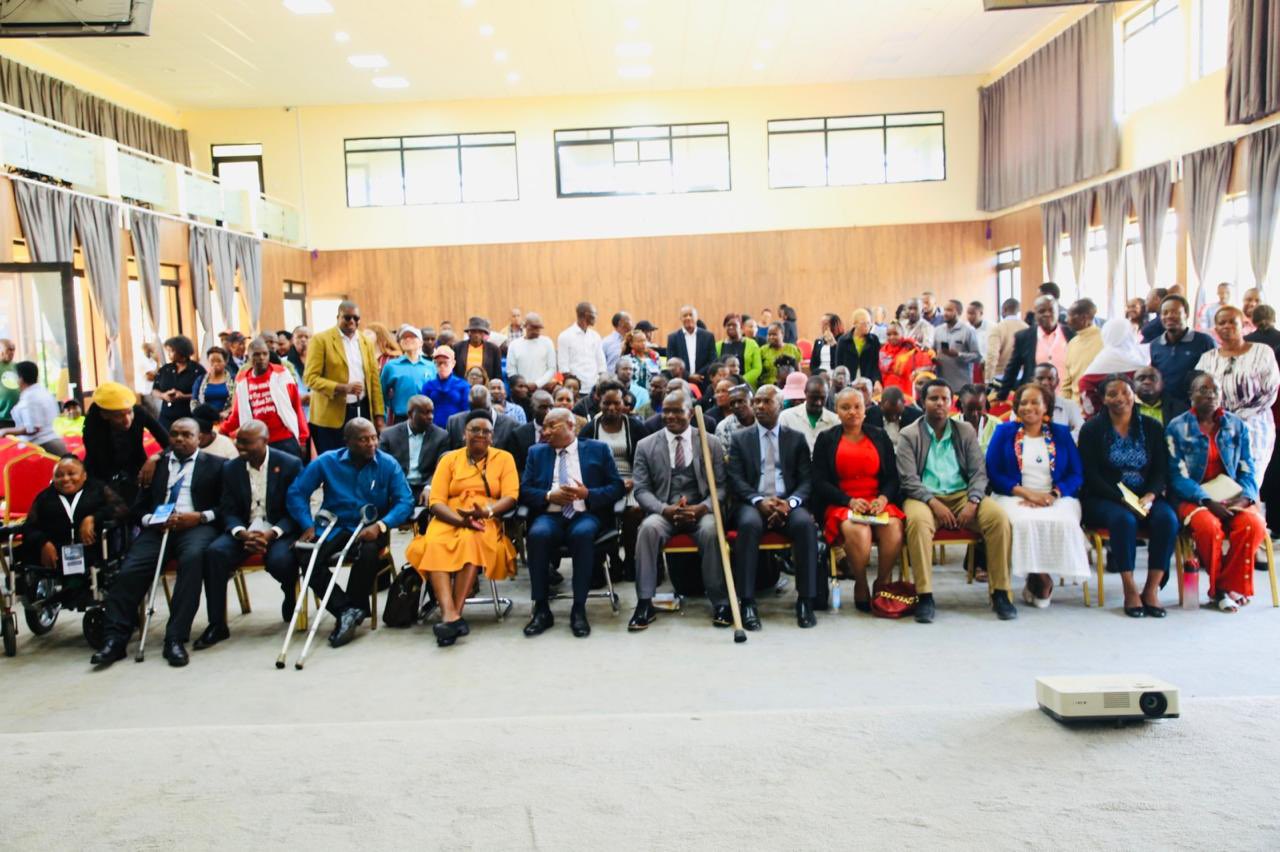
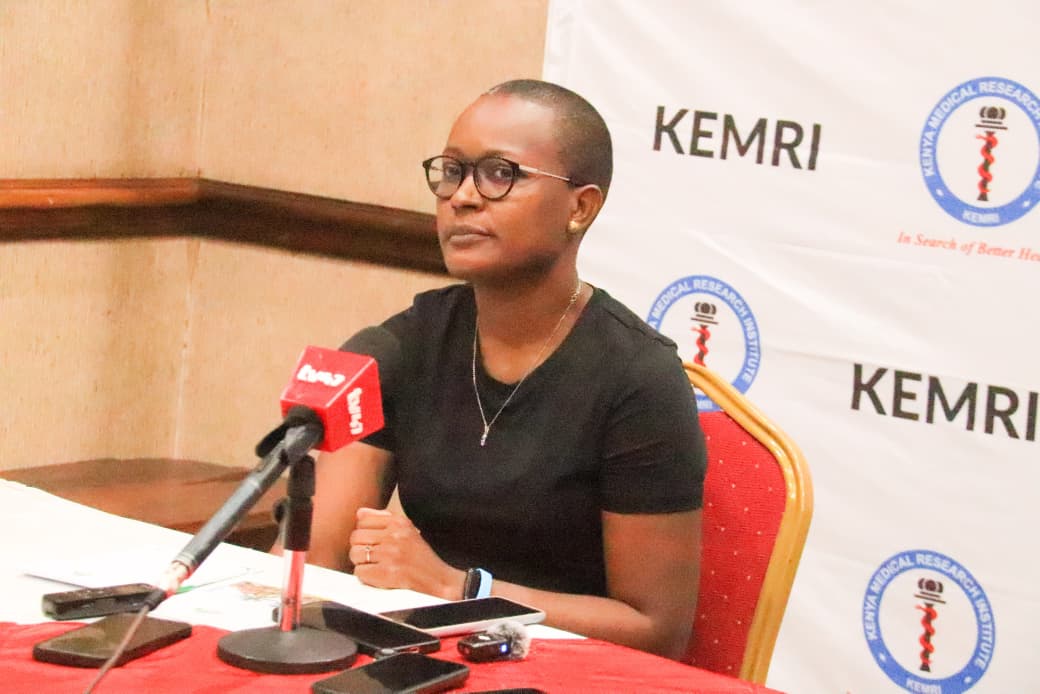
At a media briefing in the KASH conference, scientists from KEMRI, the Walter Reed Project, and the Henry Jackson Foundation shared groundbreaking work that positions Kenya at the forefront of medical research.
Dr. Frederick Sawe, Director of the Henry Jackson Foundation for the Advancement of Military Medicine Kenya Program at the Kenya Medical Research Institute, revealed that Kenyan researchers are now part of the global quest for an HIV cure.
“We have spent 40 years telling patients to take their drugs every day. Now we’re saying we want to do cure,” said Dr. Sawe. “We need to demystify HIV cure research.”
His team runs one of the region’s most advanced HIV programs, processing 250,000 viral load tests annually across four counties and supporting TB diagnostics for difficult cases.
They currently have children in remission from HIV after stopping therapy.”One child on the trial is more healthy than her HIV-negative siblings,” Dr. Sawe noted. The work extends beyond HIV.
In Kilifi, Dr. Sophie Uyoga leads a sickle cell clinic that has transformed a once-fatal pediatric disease into a manageable chronic condition.
“We are no longer thinking kids will die before age five,” said Dr. Uyoga, deputy director of KEMRI Kilifi. “Our oldest patient is 63 years old.”
Her clinic manages 1,300 children annually, with patients traveling from as far as Lamu to Lunga Lunga. The team has developed training programs for healthcare workers across counties and advises the Ministry of Health on sickle cell guidelines.But challenges remain.
The monthly cost of hydroxyurea, a drug proven to reduce complications, can reach KES 12,000 when stock-outs force families to private pharmacies.
A bone marrow transplant costs KES 4.5 million, out of reach for most.”We need social health insurance to cover these costs,” Dr. Uyoga said. “The affected families are not economically stable.”
Mental health support also lags. Adolescents with sickle cell often stop treatment in boarding schools to avoid stigma. The Kilifi team now holds annual camps to prepare young patients for independence.
Dr. Sandhya Basan from the Henry Jackson Foundation highlighted new threats and opportunities. Her team conducts biosurveillance for pathogens like influenza and HIV while pursuing clinical trials for novel therapies.
“We are united by the same passion, we want to save lives,” she said.On funding uncertainties following US policy shifts, Dr. Basan remained optimistic.”
Africans are resilient and creative. We’re seeing increased cross-nation collaboration. The African Union summit next week will discuss vaccine development,” she said.
“Kenya is a leader.”Dr. Sawe agreed, emphasizing that two-thirds of HIV patients live in sub-Saharan Africa.”It’s up to us to find solutions that work for us. The whole world will benefit,” he said. “We want to democratize cure research, not just for the super-rich, but for everybody.”