

By Eddah Waithaka
African nations are mobilizing behind a bold new model for doctoral training, designed to stop the “brain drain” and directly harness advanced science to solve the continent’s most pressing challenges, leaders announced today at a high-level policy dialogue.
In her opening address, Prof. Aminata Sall Diallo from Senegal, Chair of the PASET Executive Board, set the tone for the dialogue, emphasizing the critical importance of doctoral training for Africa’s development.
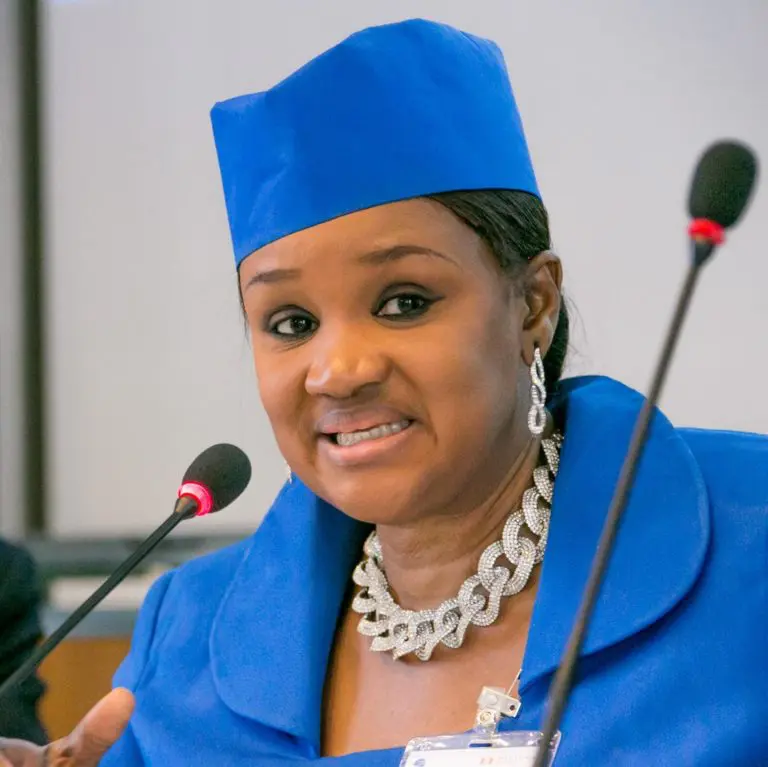
She stated that initiatives like PASET’s Regional Scholarship and Innovation Fund are already strengthening African research ecosystems by supporting talented researchers.
“Doctoral training builds the capacity of our host universities,” Prof. Diallo said. “It strengthens research excellence, trains the next generation of professors, and enables institutions to generate solutions in essential areas like ICT, food security, and climate change.”
She told attendees that the dialogue would help the PASET Executive Board better align its programs with national priorities and Africa’s broader development objectives, ensuring that the meeting’s recommendations lead to concrete actions.
Speaking at the High-Level Policy Dialogue on Transforming Higher Education, Dr. Abdou Tenkouano, Director General of the International Centre of Insect Physiology and Ecology (icipe), declared that a partnership-based approach to PhD training is already producing remarkable results.
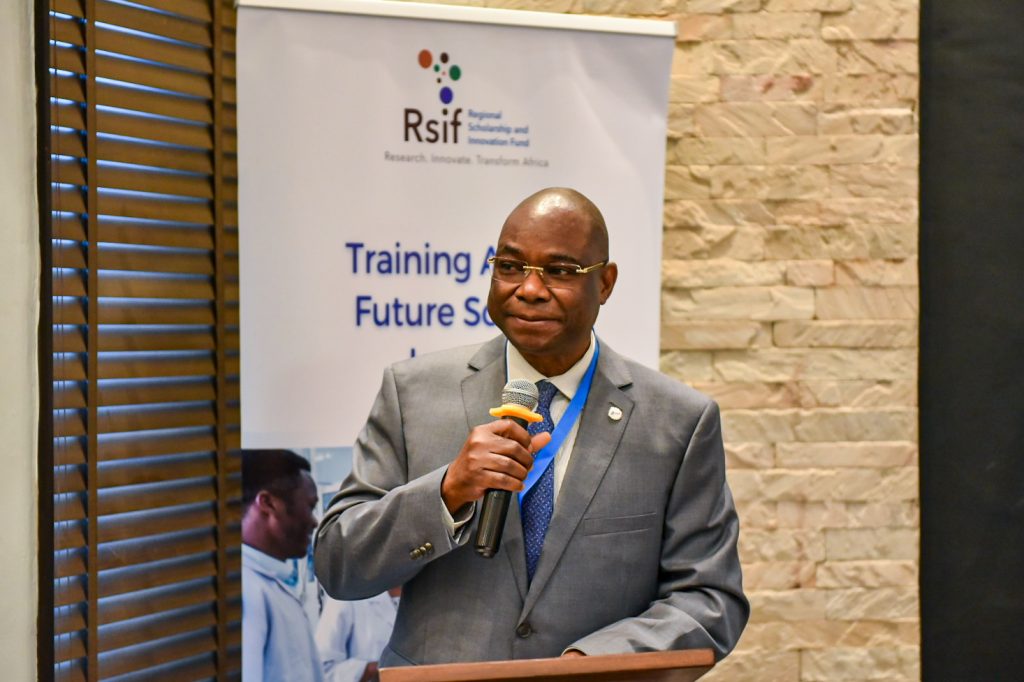
“Our model has placed icipe at the forefront of addressing Africa’s most pressing challenges through insect science,” Dr. Tenkouano said.
He revealed that over 96% of postgraduate students who conduct their research at icipe’s Nairobi labs complete their PhDs on time.
The centre, a global leader in insect science, partners with universities across Africa where students register for their degrees, while spending three years in intensive, co-supervised research.
This approach, which focuses on practical problems like climate risks, food security, and biodiversity loss, is now scaling up significantly.
Through the Partnership for skills in Applied Sciences, Engineering and Technology (PASET), icipe is currently training 302 PhDs across Africa in critical fields like artificial intelligence, renewable energy, and climate change.
Study Reveals Systemic Hurdles
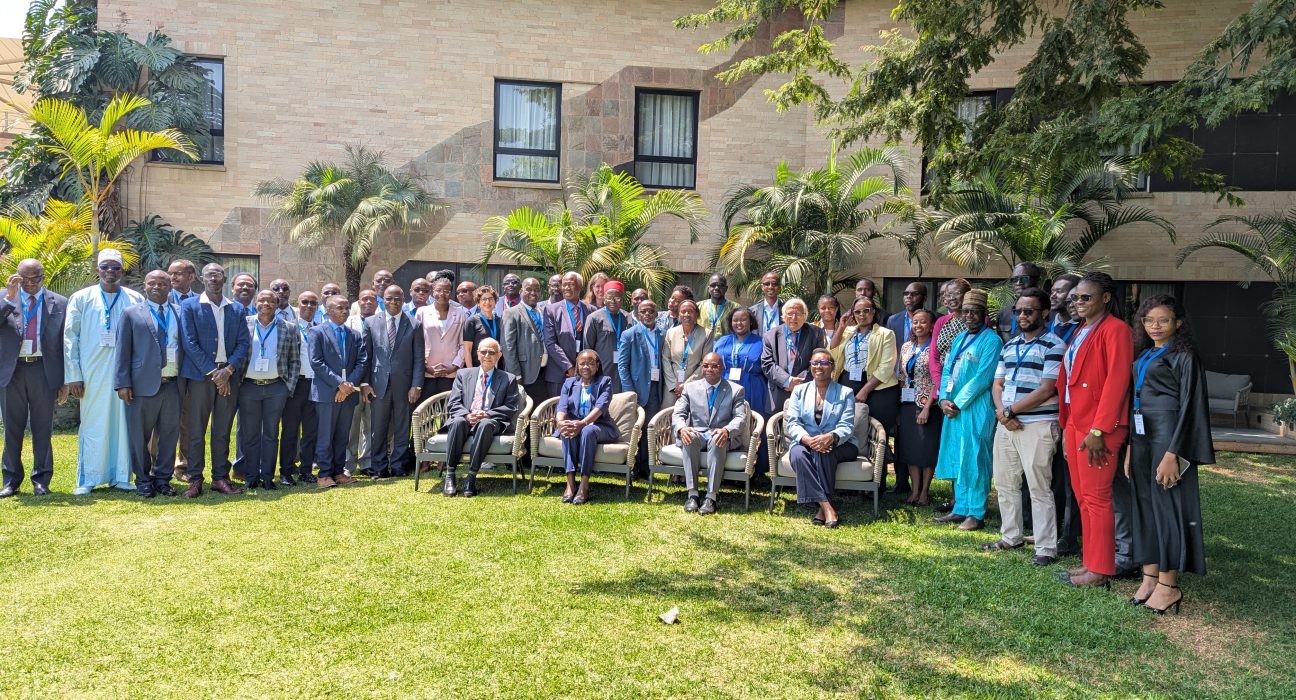
The dialogue, hosted by the Kenyan government, focused on a new study of doctoral programs in Ethiopia, Kenya, and Rwanda.
The findings presented by Agnes Lutomiah, a Senior Research Fellow at the African Centre for Technology Studies (ACTS), revealed significant systemic hurdles.
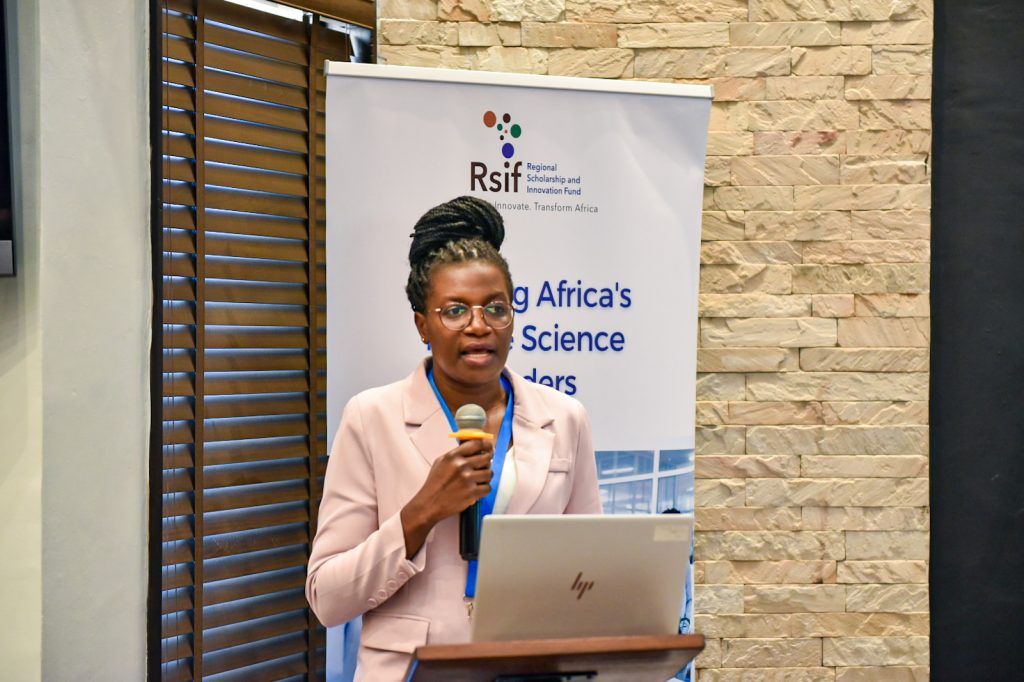
“We found challenges around retention and completion rates. A number of students drop out,” Lutomiah stated, citing insufficient funding, work responsibilities, and family pressures as primary reasons.
The study identified two other critical areas for reform. “Funding is a very integral aspect, however, this funding is not sufficient,” Lutomiah said, calling for national funding bodies to increase grant sizes.
She also highlighted a “challenge” with supervision, recommending that universities establish formal mentorship frameworks to ensure timely feedback and support.
Perhaps the most striking finding was a severe gender disparity. “In Kenya it’s more or less like 80 to 20%, where 80 are the male participants,” Lutomiah reported, urging funding agencies to create specific mechanisms to encourage and support female PhD candidates.
Leaders Call for Alignment with National Needs
Rwanda’s Minister of Education, Hon. Joseph Nsengimana, who chairs the PASET Governing Council, said the study provides the evidence needed for change.
“Doctoral training lies at the heart of building Africa’s knowledge economy,” he stated. “Too often, PhD graduates face difficulties linking their research to industry, policy, and societal needs.”
Echoing the call for reform, Principal Secretary Dr. Esther Thaara Muoria for Technical, Vocational Education and Training (TVET) delivered the keynote address on behalf of Kenya’s Cabinet Secretary for Education, Hon. Julius Migos Ogamba.
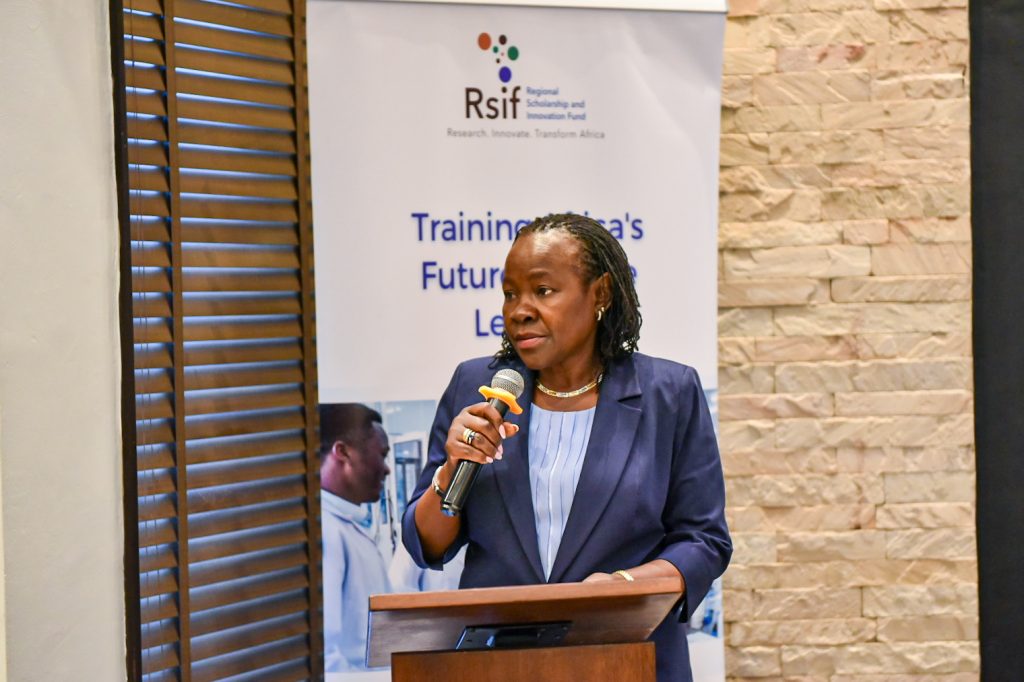
The speech argued for a major pedagogical shift towards “learner-centred learning and problem-based instruction, emphasizing practical skills, entrepreneurship and digital literacy.” The growing political commitment to this new educational vision was evident.
Dr. Tenkouano thanked the nine African governments currently investing in the PASET Regional Scholarship and Innovation Fund (Rsif) and expressed hope that more nations would join.
Armed with the new data, the dialogue concluded with a clear consensus: the future of Africa’s growth depends on building its own capacity for advanced, solution-oriented research and innovation, starting with a transformed and more inclusive approach to the PhD.