

By Eddah Waithaka
A Kenyan artist based in Swansea, Wales, is gaining recognition for innovative work that is transforming how refugee and diaspora communities tell their stories through photography.
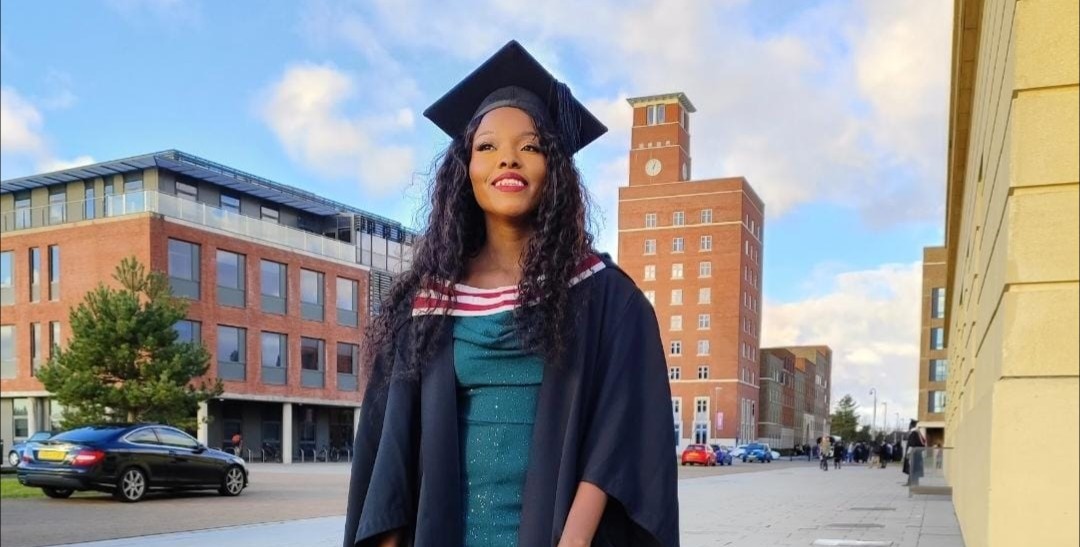
Sharon Chepchirchir, who hails from Kericho County and moved to the UK in 2022 for postgraduate studies, has quickly established herself as an emerging force in participatory visual arts.
Her work with African diaspora communities in Wales has attracted attention from cultural organizations and independent media, with observers describing her approach as “creating a career category that didn’t exist before.”
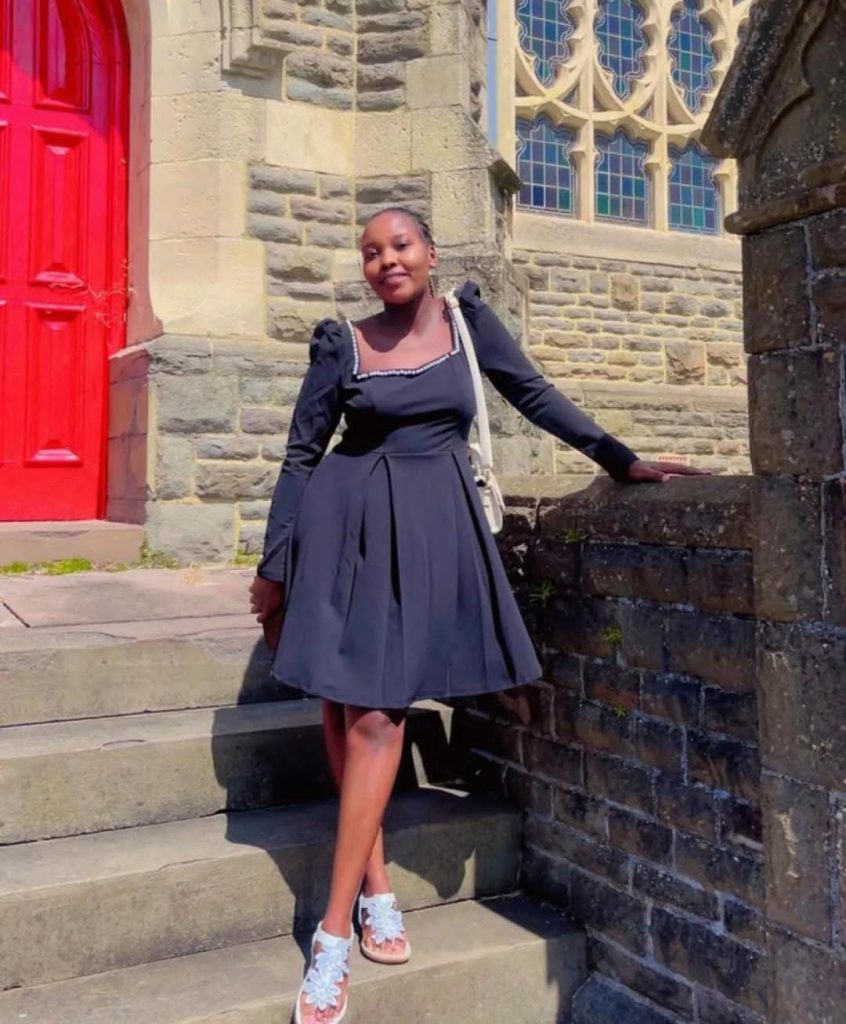
What sets the Kenyan artist apart is her distinctive methodology. Rather than simply photographing refugee communities, Chepchirchir trains participants to become photographers themselves shifting the power dynamic in visual storytelling.
“She’s pioneering an approach where communities control their own narrative,” notes a colleague from the Congolese Development Project, where much of her work is based. “It’s not charity photography. It’s genuine artistic collaboration.”
From Teaching to Visual Arts
Chepchirchir’s background as an arts teacher in Kenya who taught at Litein Day Secondary and Chelilis Secondary Schools in Bureti Sub-County, Kericho County, informs her practice, but her work in Wales represents a distinct artistic evolution.
During her postgraduate studies in media practice at Swansea University, she discovered participatory photography and immediately saw its potential for diaspora communities.
Her workshop series, “Photography 101: Snap & Edit,” has become a vehicle for serious artistic work.Participants use smartphones to document their lives, learning composition, ethics, and visual storytelling in the process.
The resulting photographs aren’t casual snapshots, they’re exhibited artworks that form what Chepchirchir calls a “community heritage archive.”
Major Exhibition SuccessIn 2024, Chepchirchir achieved a significant milestone: her large-scale visual artwork was selected as the centerpiece of the Industrial Heritage Exhibition at Swansea Museum The bilingual banner (in English and Welsh) combined archival and contemporary photography to explore Congolese migration and labour history in Wales.
The work demonstrated her ability to create sophisticated exhibition pieces while honouring community narratives.
Also Read : https://africawatchnews.co.ke/secrets-and-sacrifice-fuel-maisha-magic-pluss-gripping-new-drama-qutu/
By integrating Welsh language and local history with African diaspora stories, the artwork bridges cultural divides in ways that resonate with both Welsh and immigrant audiences.
“It’s rare to see an artist handle both solo exhibition work and participatory practice with equal skills,” observes a cultural commentator. “Chepchirchir is showing she can do both.”
Expanding Digital Practice
More recently, the Kenyan artist has expanded into digital visual arts. Working with Women4Resources, she created participatory digital artworks featuring women’s stories from extractive industries in Africa and Europe.
Her innovative approach treats accessibility features like image descriptions as opportunities for poetic writing, transforming technical requirements into artistic practice.
Growing Recognition
Chepchirchir’s work is gaining recognition beyond the Kenyan diaspora community. She has been profiled in independent media as an emerging artist showing “exceptional promise,” with cultural observers noting her contribution to UK participatory arts.
From her base in Swansea, she continues developing photography workshops, creating exhibition artworks, and building partnerships with Welsh cultural institutions.
Her goal is to expand participatory photography programmes across the UK and eventually bring them back to Kenya’s refugee communities.
Representing Kenya in UK ArtsFor Kenyans watching from home, Chepchirchir’s success represents more than individual achievement.
She’s demonstrating Kenyan creativity on international stages, bringing East African perspectives into UK cultural spaces, and showing how our educators and artists can make global impact.
Her journey from rural Kericho County classrooms to Welsh museum exhibitions illustrates the pathways available to Kenyan creative professionals willing to innovate and adapt.
As UK cultural institutions increasingly value diverse voices and community engaged practice, Kenyan artists like Chepchirchir are well-positioned to contribute and lead.
The work also maintains strong connections to Kenya. Through The Kenyan Diaspora Media, Chepchirchir documents cultural events and heritage practices, ensuring Kenyan stories remain visible in UK spaces.
Her photography workshops include Kenyan refugees and asylum seekers, supporting fellow Kenyans abroad.
“I never stopped being a teacher,” Chepchirchir reflects. “I just changed what I’m teaching and how. Instead of textbooks, we have cameras. Instead of exams, we have stories that matter.”
As she continues building her artistic career in Wales, Chepchirchir remains committed to one principle: everyone deserves the chance to tell their own story.
She’s just making sure they have the camera and the skills to do it with dignity and power.
Read More At: https://africawatchnews.co.ke/