

By Eddah Waithaka
Leaders from across Africa and the global electrotechnical community gathered in Nairobi this week to launch a new era of African influence in shaping the standards that power modern life, from clean energy to digital trade.
The event marks the 10th anniversary of the International Electrotechnical Commission (IEC) Africa Regional Centre (IEC-AFRC), hosted alongside the inaugural Africa Electrotechnical Quality Infrastructure Week.
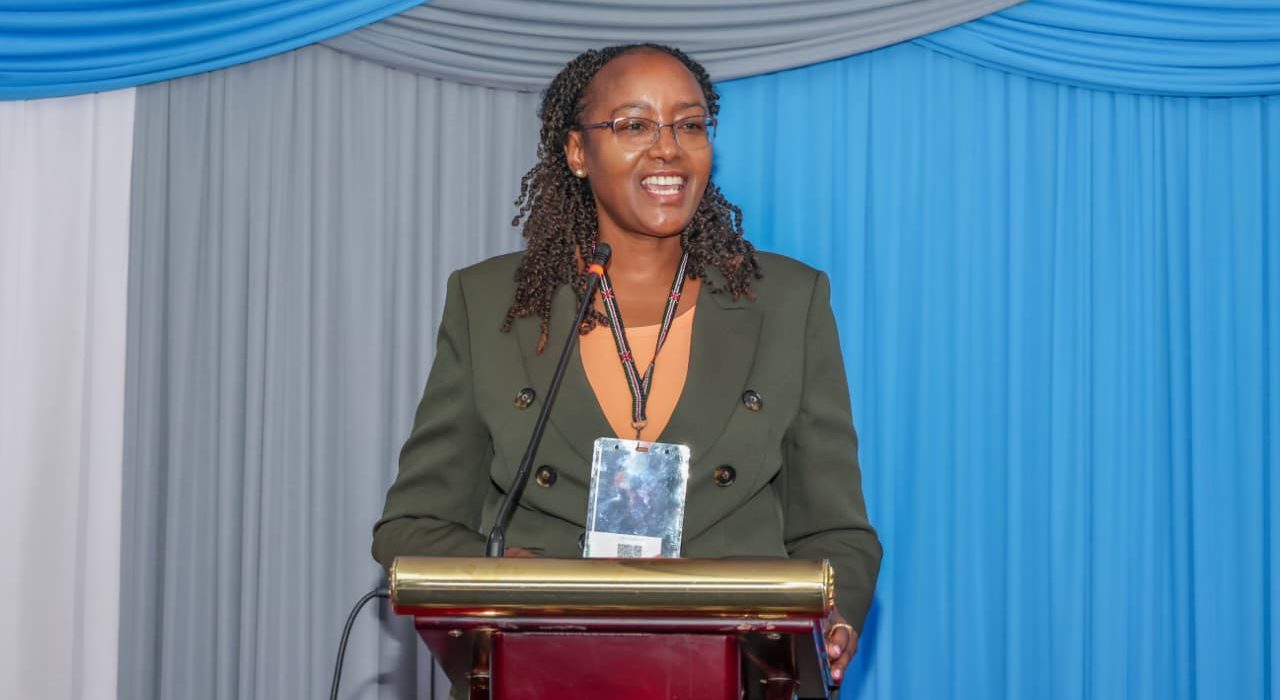
Esther Ngari, Managing Director of the Kenya Bureau of Standards (KEBS), opened the historic summit by framing it as a pivotal moment for the continent.
“We are here to ‘Innovate for a Sustainable Future,’” Ngari told an audience of industry leaders, policymakers, and innovators. “This is a call to action to deepen our collective commitment to building a robust Quality Infrastructure that underpins Africa’s industrialization, competitiveness, and seamless integration into global value chains.”
The establishment of the IEC-AFRC a decade ago signaled a strategic move to strengthen Africa’s voice within the global standards body. Now, leaders are pushing for an even more active role.
Jo Cops, President of the International Electrotechnical Commission, articulated this shift in a media interview. “We started with the motto ‘IEC in Africa,’ but now it is changing. We want Africa to be in the IEC,” Cops stated.
He emphasized that access to electricity is a “human right” and that international standards are crucial for integrating renewable energy and expanding reliable power grids across the continent.
The summit positions International Standards and Conformity Assessment as indispensable tools for unlocking the economic potential of the African Continental Free Trade Area (AfCFTA).
These standards build trust in markets, ensure the safety of technologies, and enable goods and services to move across borders with credibility.
On the domestic front, KEBS Managing Director Esther Ngari detailed Kenya’s progress in aligning local standards with international benchmarks.
“We are very intentional in terms of harmonizing the standards that we adopt with the international standards,” Ngari said. “We adopt the IEC standards that help our traders to access the regional market as well as the global market.”
To ensure public trust, Ngari highlighted KEBS’s frontline role in inspecting and certifying all products, whether locally manufactured or imported.
She reminded consumers they can verify a product’s authenticity by sending the number beneath the standardization mark to 20023 for immediate confirmation.
The three-day conference serves as a dynamic platform for forging partnerships and charting a course for the next decade, ensuring Africa’s electrotechnical sector emerges as a global force for innovation and sustainable growth.