

By Eddah Waithaka
Community leaders, landowners, and government agencies forged a landmark consensus to regenerate Nairobi’s polluted rivers on November 10th, signaling a major step toward reclaiming the city’s vital waterways.
The consultative forum, coordinated by Hon. Antony Karanja, Minority Leader of the Nairobi City County Assembly, united MCAs from Dagoretti, Kikuyu, Kiambu, Kangemi, and Riruta Wards with local landowners and the Nairobi Rivers Commission.
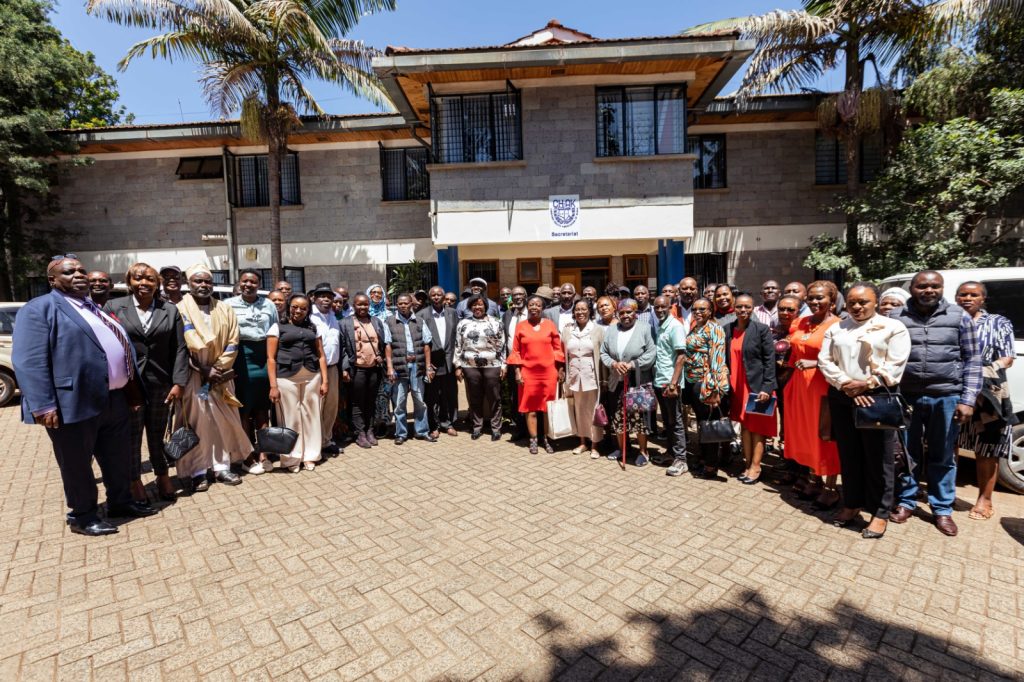
The gathering produced a shared commitment to advance the critical environmental program while fully respecting landowner rights.
“The original idea when we came here was to demystify some of the things you have heard, and that is exactly what has happened,” said Hon. Karanja.
He promised more localized follow-ups, adding, “Together with the Nairobi Rivers Team, we will organize even smaller citizen engagement meetings.”
The agreement addresses long-standing tensions around riparian boundaries and development regulations.
Lt. Col. Kahigu Njoroge, Project Manager for the NRRP, clarified the collaborative path forward, stating, “We will work with Water Resources Authority, NEMA, and other agencies together with landowners to determine the true high-water mark and the correct riparian.”
He emphasized that the Constitution and existing laws clearly define riparian limits and private land interests. Bishop Wanjiru, Chairperson of the Nairobi Rivers Commission, welcomed the breakthrough.
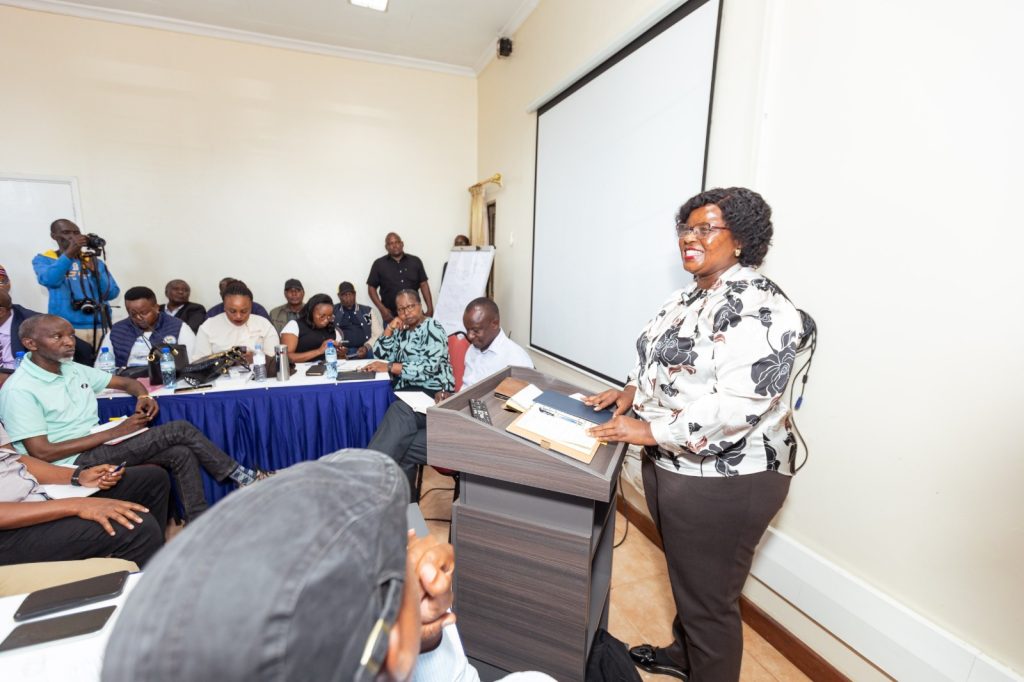
“We have agreed to re-examine the laws governing NRRP’s work that were of distress to them with the intention of reviewing them with public participation,” she stated, highlighting the SPA guidelines as a key focus.
The NRRP confronts a severe urban environmental crisis. Nairobi’s sewerage system, designed for 350,000 people in 1965, now strains under a population of 5.3 million.
This inadequacy, combined with rampant informal settlement and illegal dumping, has heavily polluted the rivers, increased flood risks, and degraded vital ecosystems like the Ondiri Wetland, the source of the Nairobi River.
Bishop Wanjiru framed the program as a transformative climate action project. “This time, we are doing it differently. We are deliberately engaging the communities and youth, ensuring they are co-owners and beneficiaries of the transformation,” she said.
Community leaders echoed this, calling for greater inclusion of youth in the regeneration efforts through initiatives like Climate WorX.
The forum concluded with a clear message of unity, positioning this community-government partnership as the essential foundation for creating a healthier, more livable Nairobi for all.
Read More At: https://africawatchnews.co.ke/