


By Eddah Waithaka
In a move to secure Kenya’s environmental and economic future, the government has launched an ambitious 10-year programme to restore the vital Mau Forest Complex.
The initiative, dubbed the Mau Forest Complex Integrated Conservation and Livelihood Improvement Programme (MFC-ICLIP), aims to plant millions of trees and improve community livelihoods.
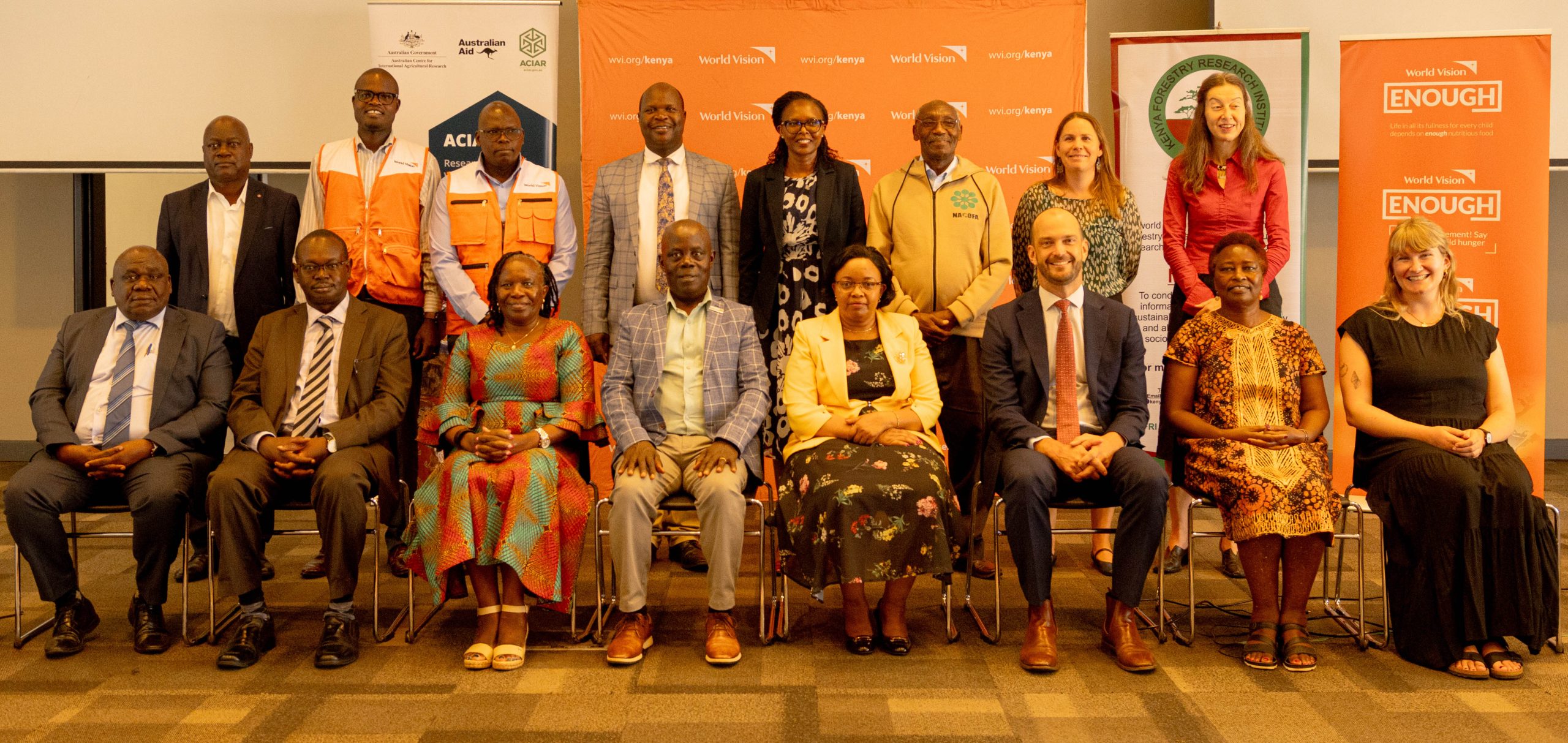
Dr. Eng. Festus K. Ng’eno, the Principal Secretary for the State Department for Environment and Climate Change and patron of the programme, unveiled the plan during a Media and Partners Roundtable.
He revealed a deeply personal connection to the project, stating, “I am a product of the Mau Forest Complex. Having witnessed these disheartening changes first hand, I have always desired to do something about it.”
The MFC-ICLIP is a direct response to the national 15 Billion Tree Growing Initiative and tackles severe threats to the forest, including illegal logging and climate change.
The programme adopts a collaborative “whole-of-government and whole-of-society” approach, uniting national and county governments, private sector investors, development partners, local communities, and the media.
A National Treasure with Global Impact
The Mau Forest is Kenya’s largest water tower and an ecological powerhouse. It is the source of 12 major rivers, sustains food security, and contributes about 600 MW of hydropower.
It also anchors a multi-billion shilling tourism industry, supporting iconic destinations like the Maasai Mara and Lake Nakuru.
Its impact stretches across borders, feeding the Nile River and supporting regional water security for millions, and globally, it serves as a critical carbon sink and hosts the Great Wildebeest Migration.
Ambitious Targets Already Underway
The programme’s vision is already springing to life. Dr. Ng’eno announced that weekly tree-planting drives have already begun, with over 150,000 seedlings planted in the Eastern Mau block in the last four weeks alone.
The first official edition of the programme launches on October 24, 2025, with a monumental goal: to restore 3,313 hectares of degraded land with approximately 4 million tree seedlings.
“The train has left the station, and the program is gaining momentum quickly,” Dr. Ng’eno declared, inviting all partners to join.
The plan includes establishing a Mau Water Fund to ensure long-term sustainability and scaling of efforts.
The programme positions the restoration of the Mau not as an isolated project, but as the heart of a larger “Continuum of Restoration” that will benefit key watersheds from Mt. Elgon to the arid and semi-arid lands (ASALs), reinforcing regional stability and prosperity.
By healing the forest, the MFC-ICLIP promises a legacy of shared prosperity, ensuring water security, creating green jobs, and building climate resilience for generations to come.