


By Eddah Waithaka
Stakeholders from across higher education, research, and industry converged in Maputo this week, declaring a unified push to transform Mozambique’s economy by building a robust pipeline of scientific talent and a dynamic innovation ecosystem.
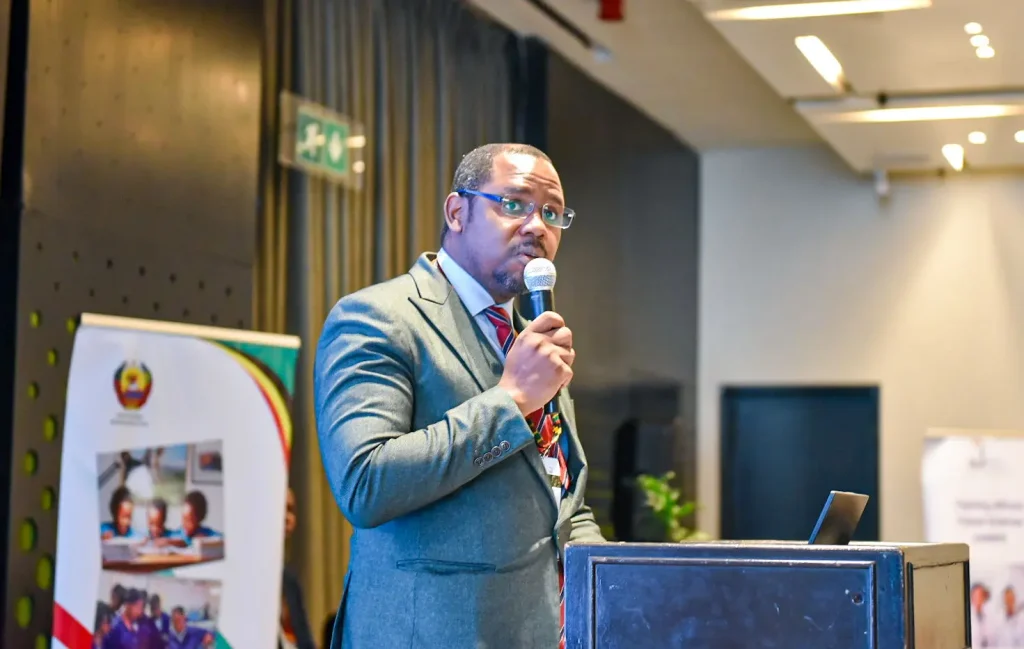
More than 100 participants attended the 2nd Annual Implementers Forum of the MozSkills Project, hosted under the Partnership for Skills in Applied Sciences, Engineering and Technology (PASET) Regional Scholarship and Innovation Fund (Rsif).
The forum, themed “Strengthening Higher Education, Research and Innovation Capacity for Socio-economic Transformation in Mozambique,” served as a critical stocktake of a five-year initiative and a launchpad for more ambitious national goals.
The MozSkills Project, a partnership between the Government of Mozambique and the World Bank launched in 2021, anchors this effort.
The project directs a $6 million investment into Rsif, with $4 million funding 40 PhD scholarships and $2 million supporting 14 research and innovation projects within Mozambican universities.The forum unfolded against a backdrop of urgent economic need.
Despite being one of sub-Saharan Africa’s fastest-growing economies, World Bank data shows Mozambique spends only about 0.3% of its GDP on research and development—far below the African Union’s 1% benchmark.
Leaders argued that bridging this gap is essential for converting the country’s vast natural resources and youthful population into a diversified, productive economy.
“Knowledge alone without entrepreneurial skills to put the knowledge to productive use in the economy is not sufficient,” said Dr. Edson Macuacua, Secretary of State for Higher Education, Science and Technology, in his opening address.
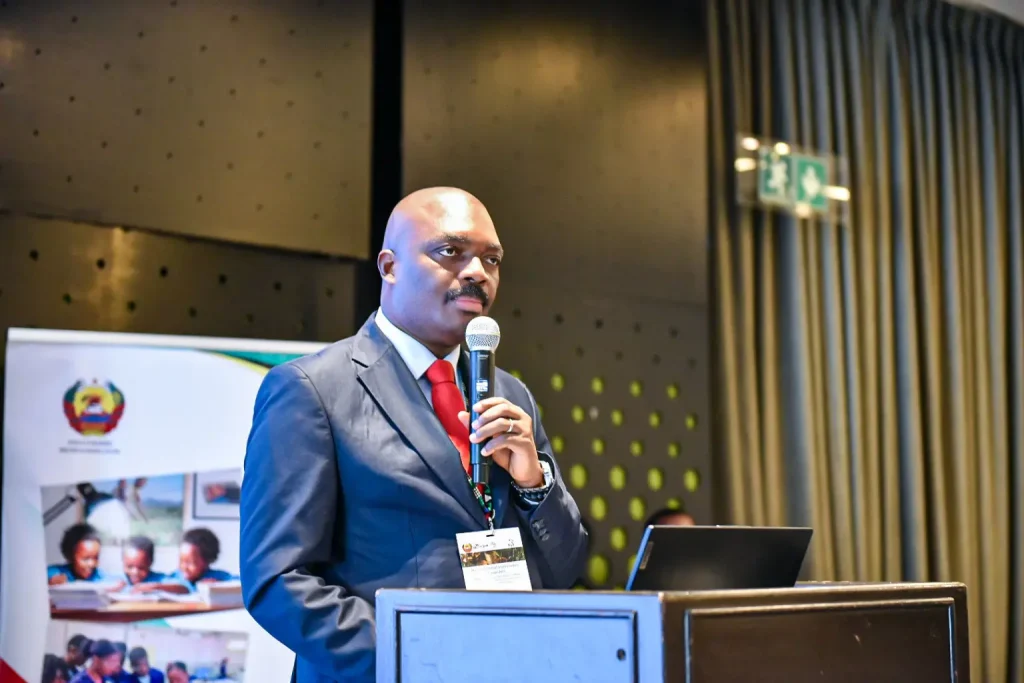
He revealed that Mozambique’s new science strategy aims to spend at least 1.5% of GDP on R&D and is establishing higher education institutions in every province designed as local hubs of excellence.
Blueprint for a Functional Innovation System
Experts outlined the core components required for this transformation. Dr. Julius Ecuru, Manager of the Rsif Regional Coordination Unit, identified three key functions: “skilled, creative, and productive people; policies that promote innovation; and financing for creative ideas.”

He stressed that effective interaction between these elements produces new goods and services that solve societal challenges.
This sentiment found strong support from Dr. Ana Menezes, a senior education specialist at the World Bank Mozambique, who echoed the critical need for high-quality human capital.
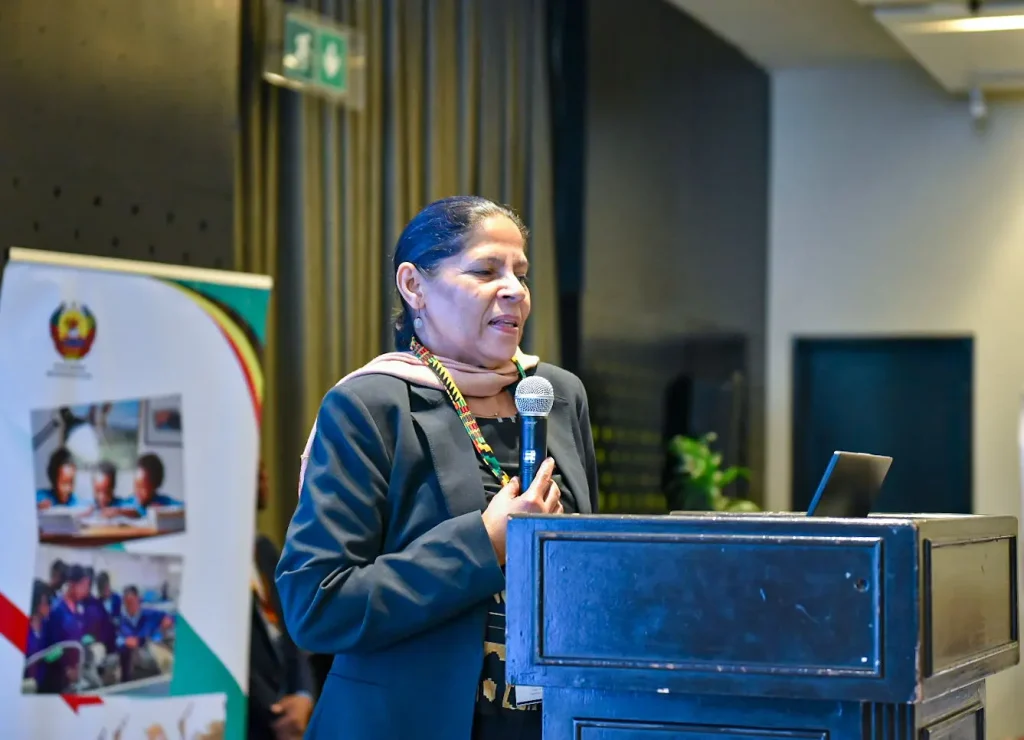
“The World Bank is keen to continue facilitating the innovation agenda outlined in the Government priorities for implementing public institutions of higher learning,” she stated.
Dr. Calado Muinga from the Ministry of Higher Education reinforced the government’s commitment, noting that “twenty-seven per cent of students in higher education are pursuing STEM courses,” framing this investment as a key pillar of national development.
Panelists Call for Systemic Reform and Collaboration
A high-level panel chaired by Dr. Ecuru pinpointed specific barriers and solutions. Panelists underscored the vital role of universities but called for significant changes.
Prof. Jorge Ferrão, Rector of the Pedagogical University, emphasized aligning academic programs with national development needs and expanding technical education. Prof. Mouzinho Mario highlighted how current university funding structures stifle cooperation, advocating for reforms that incentivize partnerships.The call for stronger collaboration resonated deeply.
Prof. Zélia Menete, Director of Mozambique’s Agricultural Research Institute, championed enhanced partnerships between universities, research institutions, industry, and government.
Meanwhile, innovator and entrepreneur Mr. Pedro Tomo argued that increased investment and private sector engagement are essential for creating a dynamic ecosystem that produces market-ready solutions.
The conversation consistently returned to the necessity of supporting scientists beyond the lab, helping them translate ideas into commercial products through mentorship, entrepreneurial training, and direct engagement with the private sector.
MozSkills Project Demonstrates Tangible Impact
Dr. Danilo Parbato, Manager of the Institutional Development Fund (FDI), detailed the project’s concrete achievements.
MozSkills has enhanced digital infrastructure across higher learning institutions, strengthened academic quality through accreditation and quality assurance units, and empowered lecturers with modern STEM teaching methods.
The project is also directly nurturing a new generation of talent. Through scholarships and innovation grants, it supports advanced research tackling national challenges.
Furthermore, a focus on inclusion and employability has increased female participation in science and provided digital tools and entrepreneurship workshops to students.
Long-Term Commitment and Scientist-Entrepreneurs
As the forum concluded, participants distilled key lessons for the future. They agreed that building a strong innovation system requires a long-term commitment spanning decades to sustainably nurture talent, build infrastructure, and embed a culture of innovation.
A clear call emerged for scientists to become active players in the entrepreneurial ecosystem, directly engaging with industry to ensure their discoveries meet market needs and drive economic growth.
In her closing remarks, Dr. Raquel Matavele Chisumba, representing the Minister of Education and Culture, stated that the successful examples shared at the forum “serve as inspiration for advancing our higher education systems.”
She emphasized that “commitment, creativity, and collaboration” will be essential to achieve the forum’s ambitious goals.The message from Maputo was clear: Mozambique stands at a crucial juncture.
By strengthening institutional frameworks, increasing R&D investment, and forging stronger cross-sector partnerships, the nation can transform its scientific knowledge into tangible economic and social benefits for all its citizens.
Read More At : https://africawatchnews.co.ke/