

By Eddah Waithaka
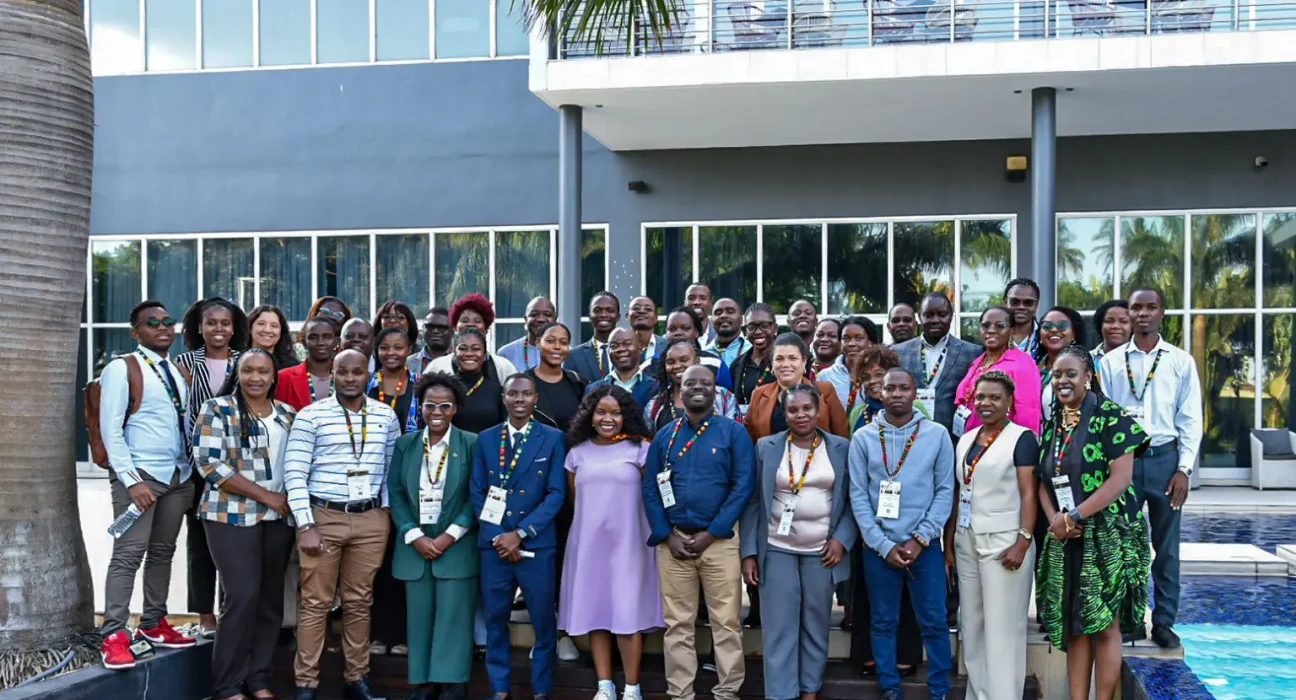
Over 50 faculty, researchers, and academic leaders from higher learning institutions across Mozambique gathered in Maputo for a groundbreaking workshop aimed at systematically integrating gender perspectives into the heart of academia.
The International Centre of Insect Physiology and Ecology (icipe) organized the two-day event from November 3-4 under the PASET-Regional Scholarship and Innovation Fund (Rsif)/MozSkills programme.
The workshop equipped 57 participants (33 women) from five Mozambican institutions with practical tools to mainstream gender in research, curriculum development, and university practices.
The training addressed a critical gap, empowering attendees to confront issues like sexual harassment, gender discrimination, and the systemic barriers that limit girls’ and women’s participation in Science, Technology, Engineering, and Mathematics (STEM).
Building a Foundational Understanding
The first day laid the conceptual groundwork. Dr. Sandra Manuel, a Mozambican gender specialist, facilitated a reflective session that challenged participants to analyze the meaning of gender, power relations, and how inequities manifest in social and academic spaces.
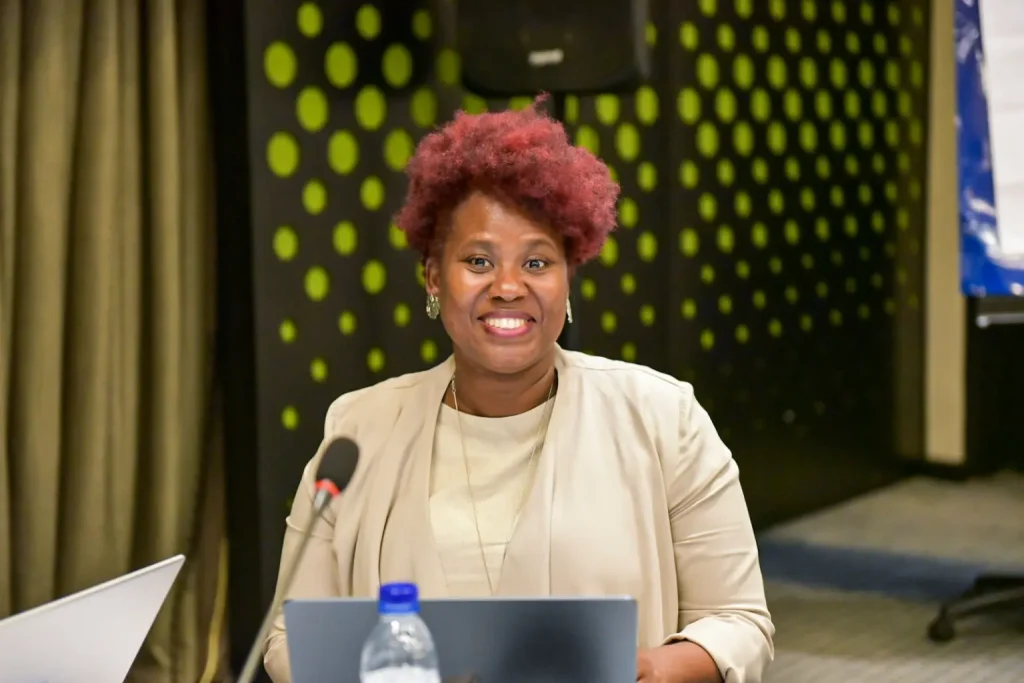
Dr. Beatrice Muriithi, a scientist and gender expert at icipe, followed by building a compelling case for why gender matters in scientific research and higher education.
She shared best practices and navigated the common challenges in weaving gender considerations into research design and teaching methodologies.
Shifting from Theory to Institutional Action
The second day pivoted sharply toward practical application and institutional change. Dr. Michael M. Kidoido, icipe’s Senior Monitoring and Evaluation Specialist, introduced concrete tools and indicators for tracking gender mainstreaming progress within institutions.
Dr. Manuel then guided participants through implementing effective gender guidelines, stressing the need for clear institutional mechanisms, actionable plans, and robust accountability structures.
This session forced universities to consider the concrete roles required to advance gender equality beyond a single workshop.
A Blueprint for an Equitable Academic Future
The workshop produced a clear set of outcomes and a renewed sense of purpose among Mozambique’s academic leaders.
Participants left with a strengthened ability to recognize and address gender inequality in education, gaining deeper insight into the social, cultural, and economic barriers such as gender-biased perceptions of certain courses and lack of family support that hinder women’s academic advancement.
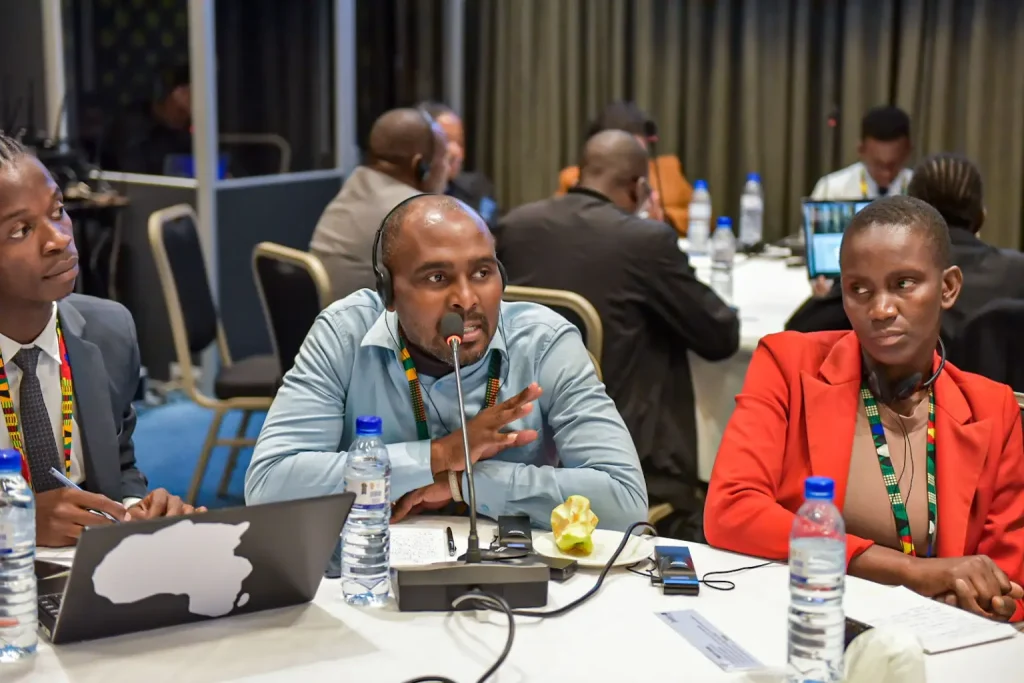
Furthermore, they developed an enhanced capacity to integrate gender perspectives directly into institutional practices.
Participants gained practical methodologies for revising curricula and policies and emphasized the need for inclusive, participatory strategies that involve university leadership, government, civil society, and students to ensure these measures stick.
To sustain the momentum, participants issued strong recommendations. They called for the creation of safe dialogue spaces, the sharing of success stories from other institutions, and the establishment of follow-up mechanisms to monitor progress.
These steps reflect a commitment to transforming the workshop’s lessons into a sustained, system-wide effort.The gathering marked a significant step toward embedding gender equity within Mozambique’s academic and research institutions.
The collective resolve now points toward actionable next steps: implementing comprehensive gender action plans, strengthening sexual harassment prevention mechanisms, empowering teacher champions for equality, and promoting women’s leadership at all levels.
This workshop signals a collective movement to transform higher education into a more inclusive and equitable environment, ensuring gender equality becomes a lived reality in Mozambican teaching, research, and governance.
Read More At : https://africawatchnews.co.ke/