

By Correspondent
Pakistan has landed a massive $1.5 billion defense contract with Sudan, marking a major expansion in military cooperation between the two nations.
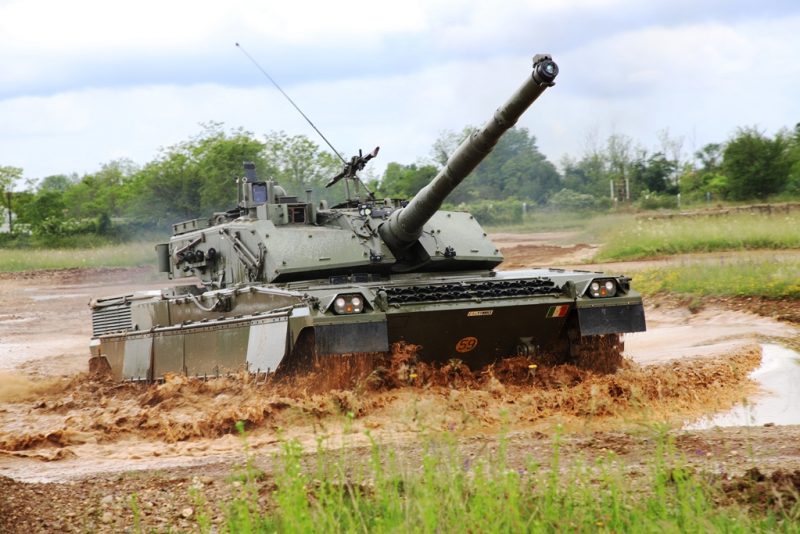
The deal, signed during a high-profile visit by Sudanese Air Force Commander Lt. Gen. Al-Tahir Mohamed Al-Awad Al-Amin, includes a wide range of Pakistani-made military hardware.
The agreement, reportedly bankrolled by an undisclosed third country, signals Sudan’s continued reliance on military solutions rather than negotiations to resolve its civil war.
Analysts note that the deal strengthens Pakistan’s defense export profile while deepening Sudan’s ties with nations opposing international pressure for peace talks.
The growing Sudan-Pakistan defense axis coincides with Pakistan’s deepening military ties with Turkey, a key backer of Sudan’s armed forces.
This tripartite alignment could reshape regional security dynamics, particularly as African and Middle Eastern nations seek alternatives to Western-supplied arms.
“This deal confirms that Sudan’s military remains focused on battlefield gains, not diplomacy,” said a security analyst.
“Pakistan’s role as an arms supplier is expanding precisely when global attention is shifting away from the conflict.”
With the first deliveries expected soon, the agreement underscores Pakistan’s emergence as a major player in the global defense market and Sudan’s determination to fight on.