


By Eddah Waithaka
Nairobi is hosting the 2026 International Symposium on Streptococcus agalactiae Disease (ISSAD) this week, focusing global attention on the fight against Group B Streptococcus (GBS), a leading killer of newborns worldwide.
For the first time, the high-level conference takes place in East Africa, a move experts describe as both “historic” and strategic. The region carries one of the heaviest burdens of GBS disease, making Nairobi a fitting venue for discussions aimed at saving mothers and babies.
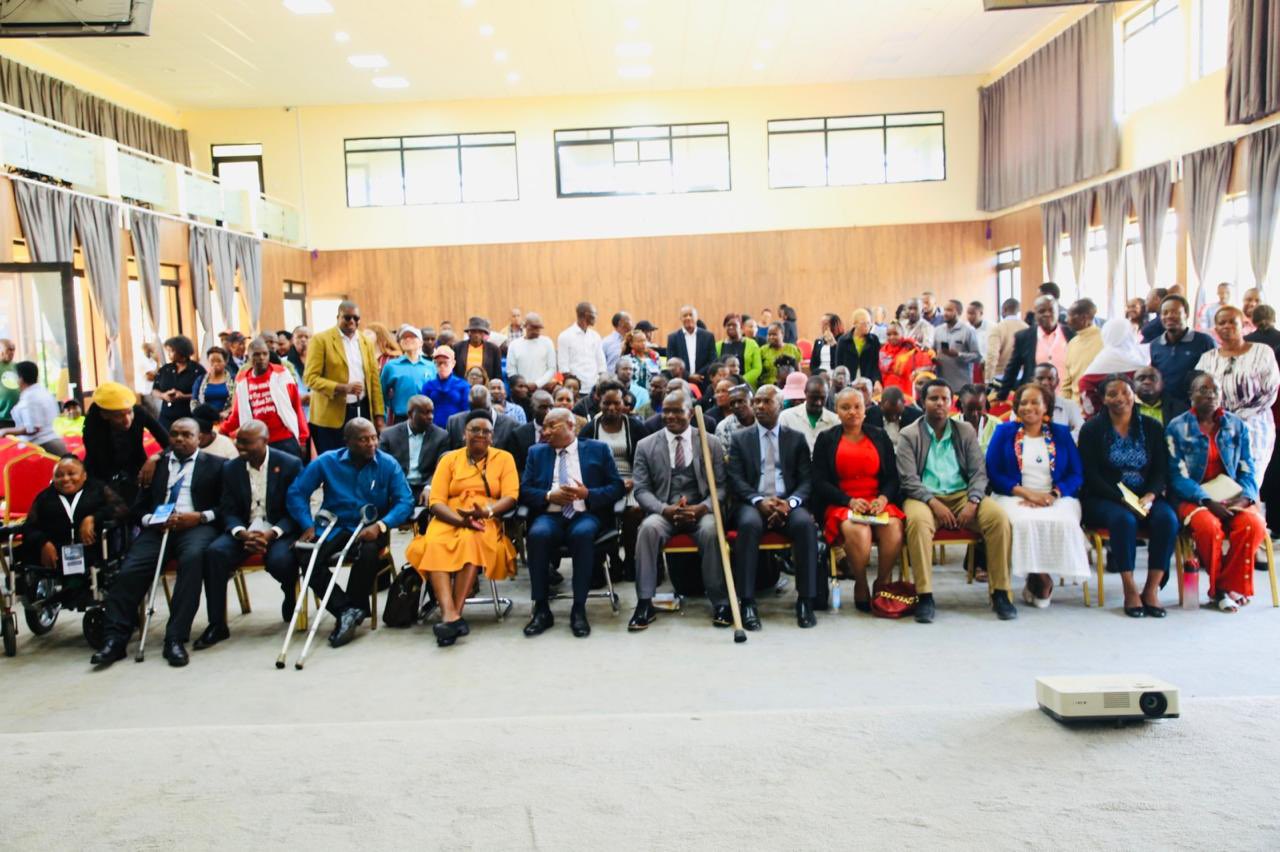
From February 23 to 25, scientists, public health leaders, clinicians, and vaccine developers from more than 40 countries have gathered in Kenya’s capital.
They share a clear mission: accelerate progress toward preventing GBS infections and move decisively “from evidence to action.”GBS remains a silent but deadly threat.
An estimated 18 to 20 million pregnant women globally about one in five carry the bacteria each year. While many show no symptoms, the infection can pass to newborns during childbirth, often with devastating consequences.
Worldwide, GBS causes approximately 400,000 cases of invasive disease annually in infants, including sepsis and meningitis. It also contributes to about 91,000 infant deaths and 46,200 stillbirths every year.
Critically, low- and middle-income countries bear the greatest burden, largely due to limited screening, inconsistent access to preventive antibiotics during labour, and gaps in advanced neonatal care. Against this backdrop, ISSAD 2026 sharpens its focus on practical solutions.
Dr Hellen Barsosio, a Clinical Research Scientist at the Kenya Medical Research Institute (KEMRI) and the Liverpool School of Tropical Medicine Collaboration, chairs the symposium.
She also co-leads the Maternal Immunisation Readiness Network in Africa and Asia (MIRNA), giving her deep expertise in maternal vaccine policy.
Under this year’s theme, “From Evidence to Action: Accelerating GBS Prevention in a Changing World,” Dr Barsosio champions African-led research and stronger implementation strategies.
“Hosting ISSAD 2026 in Nairobi presents a transformative opportunity to center the voices and experiences of the communities most affected by GBS disease,” she said.
She further emphasized the importance of inclusive representation. “Several researchers from low- and middle-income countries will speak at the conference, which is critical because this is where the GBS burden is heaviest,” she noted.
Despite decades of research, no licensed vaccine against GBS exists. Currently, prevention mainly depends on antibiotics administered during labour to women who test positive.
However, this approach faces significant challenges in resource-limited settings where routine screening is not universal. As a result, researchers increasingly explore maternal immunisation as a long-term solution.
Several vaccine candidates are already in clinical trials. If proven effective, maternal vaccination could protect both mothers and newborns, offering broader and more sustainable coverage.The scientific agenda in Nairobi reflects the urgency of the moment.
On the opening day, experts examined the latest progress in vaccine development and discussed maternal immunisation strategies. A plenary session on disease burden and surveillance presented updated global and regional estimates while also exposing persistent data gaps.
In particular, experts highlighted the lack of comprehensive surveillance data in sub-Saharan Africa and South Asia. Without accurate data, policymakers struggle to allocate resources and design targeted interventions.
Parallel sessions delve into infant disease burden, adult GBS infections in low- and middle-income countries, and cutting-edge genomics research.
Scientists say new genomic insights reshape understanding of how GBS spreads and evolves.Importantly, the conference also addresses the complex issue of measuring GBS-related stillbirths.
Drawing on findings from the Child Health and Mortality Prevention Surveillance (CHAMPS) network, researchers present fresh data on GBS-associated stillbirths, prematurity, and maternal disease.
Meanwhile, discussions on antimicrobial resistance and diagnostic innovation reinforce the need for smarter and more sustainable prevention tools.
Nairobi’s role as host underscores Kenya’s growing stature as a regional health innovation hub. With strong research institutions, global partnerships, and government backing, the country continues to position itself at the forefront of maternal and newborn health initiatives.
The conference has secured support from KEMRI and the Kenya Ministry of Health, reflecting national commitment to improving outcomes for mothers and infants.
Previous ISSAD meetings, held biennially in regions such as South America, Europe, and South Africa, have driven important policy and research advances.
However, organisers say the 2026 edition carries a renewed sense of urgency.”This is about accelerating the transition from evidence generation to policy implementation,” one delegate observed, stressing that research findings must translate into real protection for families.
As the symposium continues through February 25, participants engage in sessions on vaccine implementation readiness, community engagement, and health system strengthening.
Ultimately, ISSAD 2026 stands as more than a scientific meeting. It represents a call to action.With thousands of newborn lives at stake each year, delegates in Nairobi push for bold commitments, stronger partnerships, and faster policy uptake.
The message resonating through the conference halls is clear: defeating GBS will require global solidarity, regional leadership, and unwavering focus on the most vulnerable.