


By Eddah Waithaka
A landmark global report on food systems is driving a new, nuanced conversation in Africa, where experts are championing livestock as a vital part of the solution to malnutrition and economic hardship, rather than a problem to be solved.
The 2025 EAT-Lancet Commission report, released in early October, delivered a comprehensive global blueprint for transforming food systems.
It calls for a worldwide reduction in red meat and sugar consumption to improve human and planetary health.
Crucially, however, the report highlights vast global inequalities, noting that the richest 30% of the world’s population generates over 70% of food systems’ environmental pressure.
This finding is reshaping the dialogue in Africa, where livestock systems support up to 70% of rural households.
“The report recognizes that universal dietary prescriptions must be adapted to local contexts,” said moderator Shirley Tarawali, an assistant director general and secretary to the ILRI Board of Trustees during the dialogue hosted by the International Livestock Research Institute (ILRI) in Nairobi.
“For many in Africa, moderate amounts of animal-sourced foods provide essential nutrients that are often lacking in plant-based diets.”
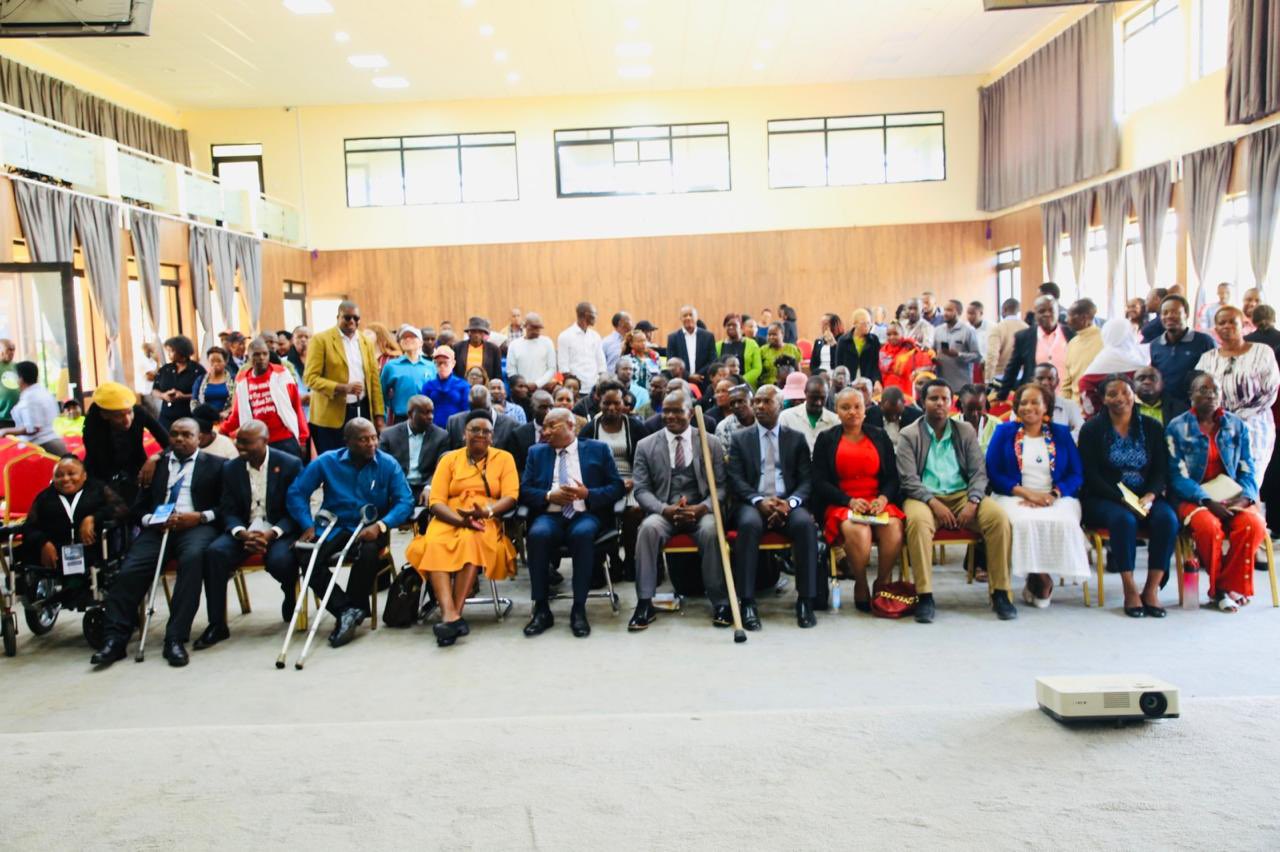
The dialogue brought together health, agriculture, and livestock experts to translate the global findings into actionable strategies for the continent.
Balancing Health Crises and Nutritional Needs
Panelists highlighted the complex double burden facing African nations: persistent undernutrition and a rapid rise in diet-related non-communicable diseases (NCDs).
Dr. Zipporah Bukania, a Research Scientists and Director Centre for Public Health Research, at Kenya Medical Research Institute (KEMRI) pointed to environmental and lifestyle factors driving the NCD crisis. “Our policies are good, but implementation is a problem,” Bukania stated.
She advocated for community-based solutions, citing a successful project that established health kiosks for early detection of NCDs in rural markets.
Also Read : https://africawatchnews.co.ke/kenyas-farmers-edge-closer-to-a-revolutionary-disease-resistant-potato/
Defending Livestock’s Critical Role
In response to global recommendations to cut meat consumption, African producers and researchers are pushing back with a localized perspective.
Patrick Kimani, the Chief Executive Officer at Kenya Livestock Producers Association argued that the role of animal-source foods is “misplaced” in global debates.
“Protein from milk, eggs, and meat cannot be matched from plant-based foods,” Kimani said.
He emphasized that in Kenya’s arid and semi-arid lands, which comprise 60% of the country, livestock is the only viable livelihood, providing both nutrition and income. Researchers are also looking to the past for future solutions.
Kipkemboi Changwony, the Director of Livestock Systems at Kenya Agriculture and Livestock Research Organization (KALRO) highlighted the renewed focus on indigenous foods and livestock breeds.
“We are rethinking the issue of indigenous foods as not just more nutritious, but more available to our local farmers,” Changwony said.
KALRO is now selecting and improving traditional vegetables, fruits, and resilient local livestock breeds to enhance dietary diversity and sustainability.
The consensus from the dialogue pointed to practical, immediate actions beyond simply producing more food.
Changwony identified minimizing food loss as a critical lever. “We lose 40 percent of what we produce between the farm and the consumer,” he said. “If we reduce that by half, that itself will translate to more food for the people without, overextracting from the environment.”
Dr. Bukania called for a multi-sectoral approach and greater public awareness. “I think knowledge is the power that will help us deal with this,” she concluded, urging governments to operationalize well-crafted policies with concrete enforcement and resources.
The Nairobi dialogue made it clear that for Africa, a healthy and sustainable food future will not involve simply cutting meat, but rather strategically integrating resilient livestock systems with diverse, locally-adapted crops to tackle both hunger and disease.
For More of this Stories: https://africawatchnews.co.ke/