

By Eddah Waithaka
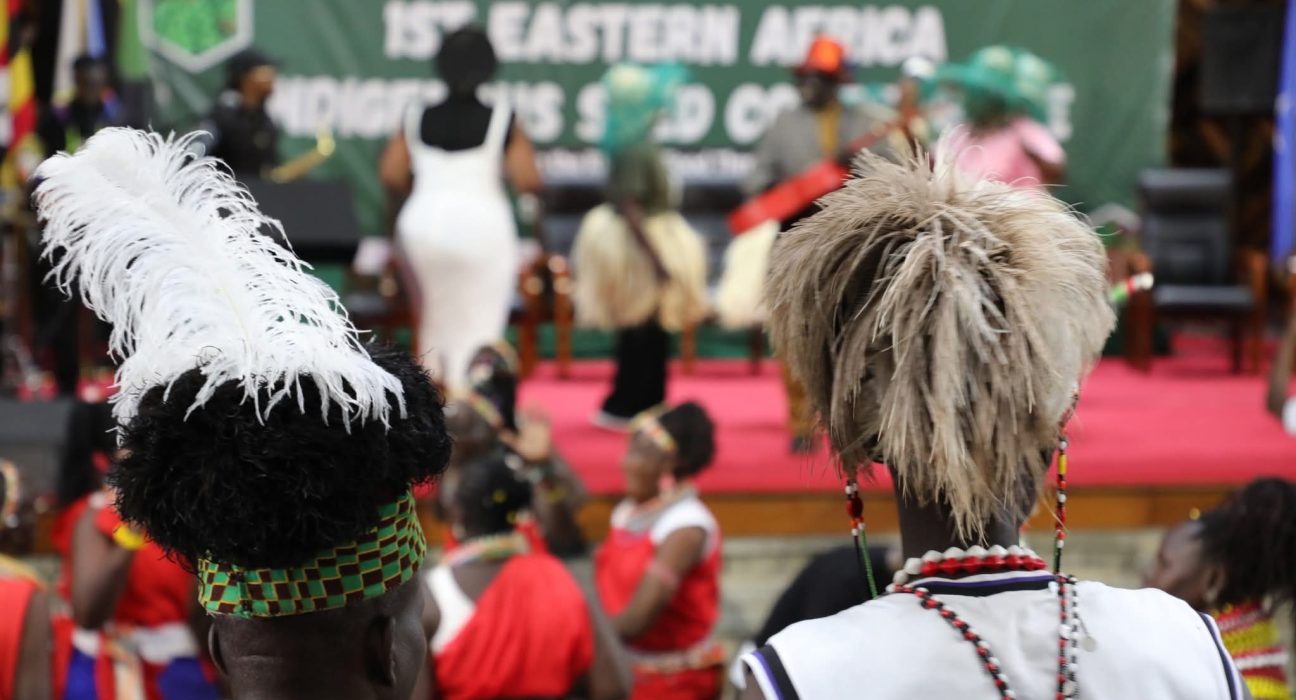
The Catholic University of Eastern Africa this week hosted the first Eastern Africa Indigenous Seed Conference, where farmers, researchers, policymakers and civil society organisations committed to strengthening farmer-led seed systems across the region.
Convened by Seed Savers Network from November 17 to 20, 2026, at the Catholic University of Eastern Africa, the conference was held under the theme “Realizing the Right to Food through Seed Sovereignty.” Participants explored how preserving indigenous seeds, strengthening community seed banks and supporting farmers’ rights to save and exchange seeds can build more resilient food systems.
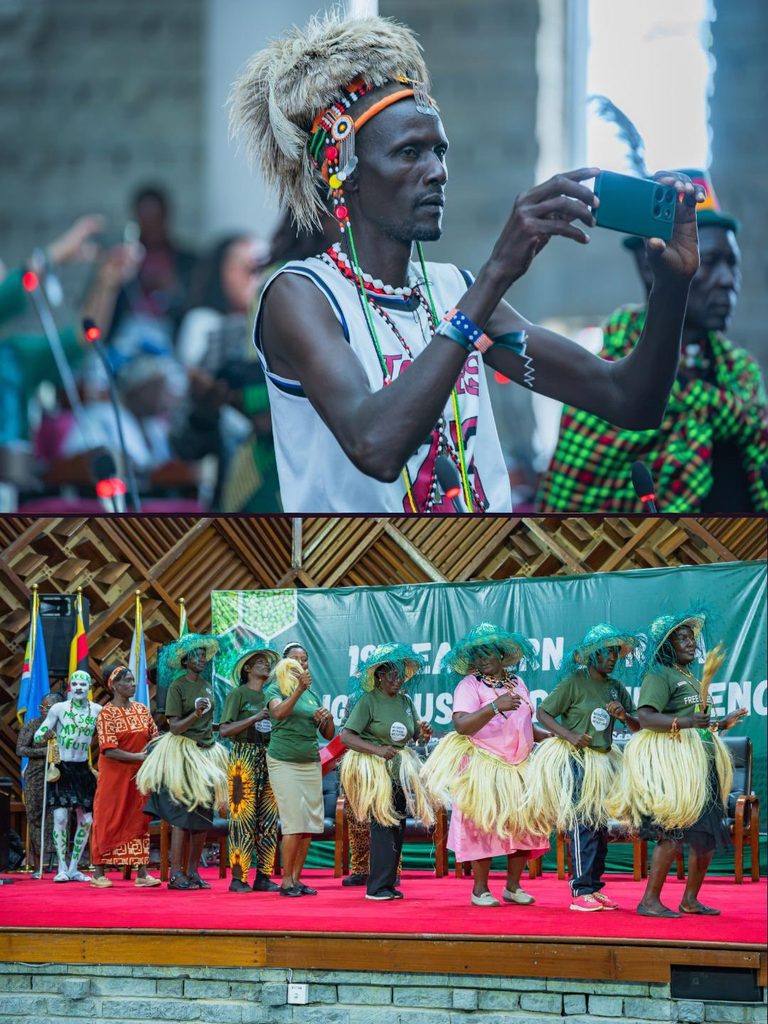
The four-day conference, which concluded with the creation of a regional community of practice, focused on the interconnected challenges of indigenous seed sovereignty, food safety, biodiversity conservation and sustainable agriculture.
In her opening remarks, Dr. Catherine Muthuri, Kenya Country Coordinator and East Africa Regional Convenor for the Landscape Alliance, emphasized the critical role communities play in conservation efforts.
“Communities are not just beneficiaries of restoration efforts. They are important custodians, managers and suppliers of genetic resources,” Muthuri told delegates.
Farmers at the Centre
Participants discussed how Indigenous knowledge and genebanks help conserve indigenous tree species and explored ways to make quality tree seeds more accessible to farmers.
Fridah Kagwiria of the Kenya National Farmers’ Federation (KENAFF) told the Tree Seed Systems panel that quality assurance must be simple, local and grounded, noting that farmers already maintain tree seed systems that work.
“Science should strengthen them, not replace them,” Kagwiria said.
The conference highlighted how advancing diverse, nutritious and climate-resilient food systems requires valuing indigenous seeds, local crops and farmer-led knowledge.
Women Leading Conservation
The African Women’s Collaborative for Healthy Food Systems spotlighted the vital role rural and indigenous women play in conserving indigenous seeds and advancing agroecology. The Koimugul Indigenous Women Network (KIWN) joined indigenous communities, farmers, seed custodians and researchers at the gathering.
Through the Rural Women Cultivating Change (RWCC) programme, participants celebrated the women farmers who continue to secure a more resilient future by preserving biodiversity and strengthening food sovereignty.
The conference featured breakout sessions and side events where farmers, researchers, policymakers, development partners and civil society organisations shared experiences and explored practical solutions for strengthening farmer-led seed systems.
A side event on “Beyond Seed Conservation” explored how bioinputs and sustainable farming practices can strengthen indigenous seed systems while reducing dependence on highly hazardous pesticides.
Farming Systems Kenya participated in the conference with support from the GEF Small Grants Programme of UNDP.
The conference ended with delegates establishing a regional community of practice to carry forward the commitments made during the four days of discussions.
Organisers thanked all participants for their “insights, energy and commitment” to building partnerships and planting seeds for a brighter, more sustainable future.