

By Eddah Waithaka
For millions across Ghana, the simple act of drinking water carries a hidden danger. Artisanal gold mining, known locally as “galamsey,” has poisoned rivers and groundwater with toxic heavy metals like mercury and arsenic.
Now, a Ghanaian scientist is fighting back with an affordable, homegrown solution built from agricultural waste.
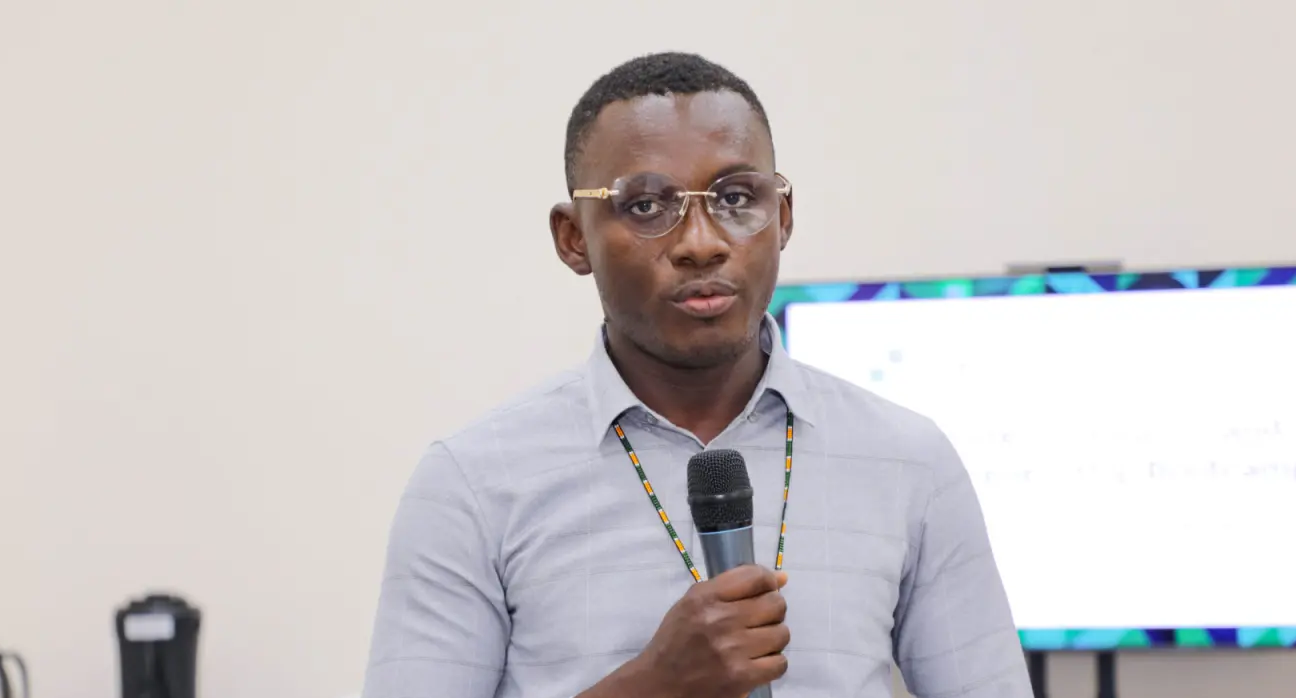
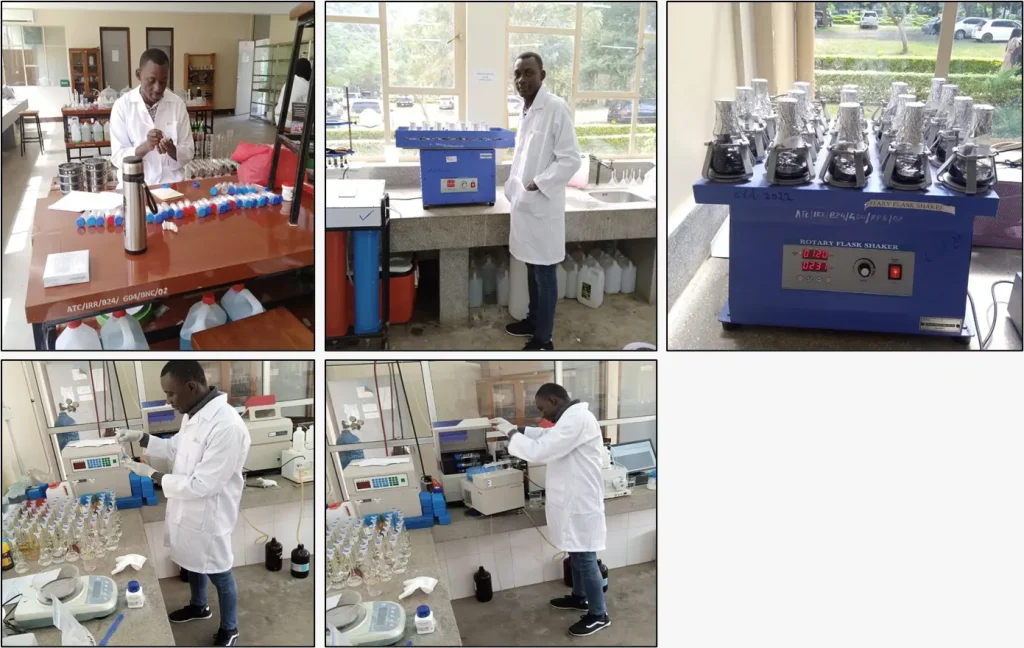
Dr Jonas Bayuo, a lecturer and researcher at C. K. Tedam University of Technology and Applied Sciences, has developed a hybrid activated carbon reactor that strips deadly heavy metals from contaminated water.
His innovation comes at a critical moment: an estimated 60 per cent of Ghana’s water bodies are polluted by illegal mining, placing 76 per cent of households at risk of drinking unsafe water.
“My innovation is not just a technology; it is a pathway to restoring water, health and dignity for millions in Ghana,” Dr Bayuo said in an interview marking World Water Day on March 22.
The system works by using activated carbon, which can be produced locally from agricultural waste to trap metal ions. The “hybrid” design adds chemical modifications and controlled flow conditions to target arsenic and mercury specifically.
The result is a scalable, low-cost reactor that communities can operate and maintain without advanced technical expertise.“Activated carbon can be produced locally from agricultural waste, reducing costs and reliance on imports,” Dr Bayuo explained. “The system itself requires minimal technical expertise to operate and maintain.”
Dr Bayuo’s research journey took him from the Nelson Mandela African Institution of Science and Technology (NM-AIST) in Arusha, Tanzania, where he earned his PhD in Minerals, Mining, and Materials Engineering, to a sandwich placement at Seoul National University in Korea.
The Partnership for Skills in Applied Sciences, Engineering and Technology – Regional Scholarship and Innovation Fund (PASET-Rsif) supported his work throughout.
The International Centre of Insect Physiology and Ecology (icipe) serves as the Regional Coordination Unit for the programme.“Financial assistance provided the stability needed to focus fully on research, covering tuition, laboratory work, and field studies, while access to advanced tools improved analytical precision,” Dr Bayuo said.
“The program fostered an enriching academic environment through mentorship, collaboration, and exposure to a network of African Host Institutions.”
His work earned him an Rsif Junior Investigator Research Award for his project on using agricultural waste materials to remediate heavy metals in industrial wastewater.
The contamination crisis hits women and girls hardest, Dr Bayuo noted, a reality that aligns with this year’s World Water Day theme highlighting the link between water and gender equality.
“When water is contaminated with toxic metals like arsenic and mercury, their presence poses greater health risks and time-consuming challenges, limiting opportunities for education and economic activities,” he said.
“My research addresses these inequalities by improving water quality at the community level, reducing health risks, and bringing safe water closer to households.”
Mining regions such as Obuasi, Konongo, Wassa Kayianko, and Asiakwa face the most severe impacts. Arsenic exposure links to cancers and cardiovascular diseases, while mercury causes neurological damage, particularly in vulnerable populations including pregnant women and children.
Dr Bayuo now advances his research as a lecturer at C. K. Tedam University of Technology and Applied Sciences in Navrongo, where he continues refining the reactor technology.
His next steps include pilot testing in affected communities and engaging policymakers to integrate the solution into national water strategies.
“Translating research on heavy metal removal into practical solutions and policy impact requires a structured, inclusive pathway that connects laboratory innovation with real-world application,” he said.
He envisions an Africa where clean, safe water flows for every community, powered by local innovation, sustained by knowledge, and accessible to all.
With his hybrid reactor moving from laboratory to community, that vision edges closer to reality. “Locally driven water innovations can reduce gender disparities, enhance dignity, and contribute to more equitable and resilient societies,” Dr Bayuo said.