

By Eddah Waithaka
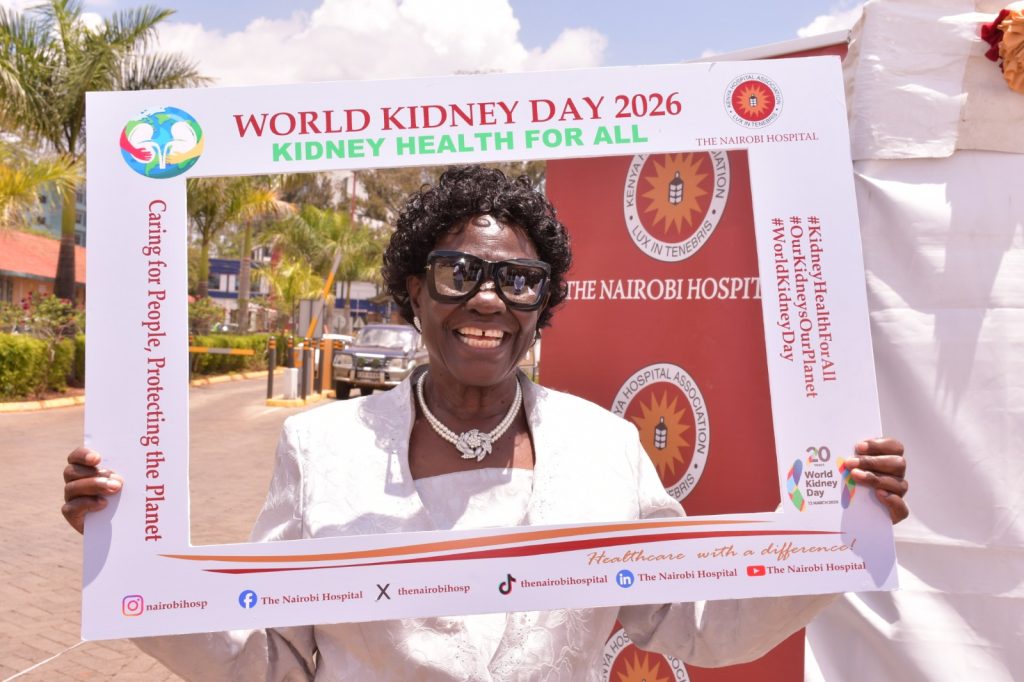
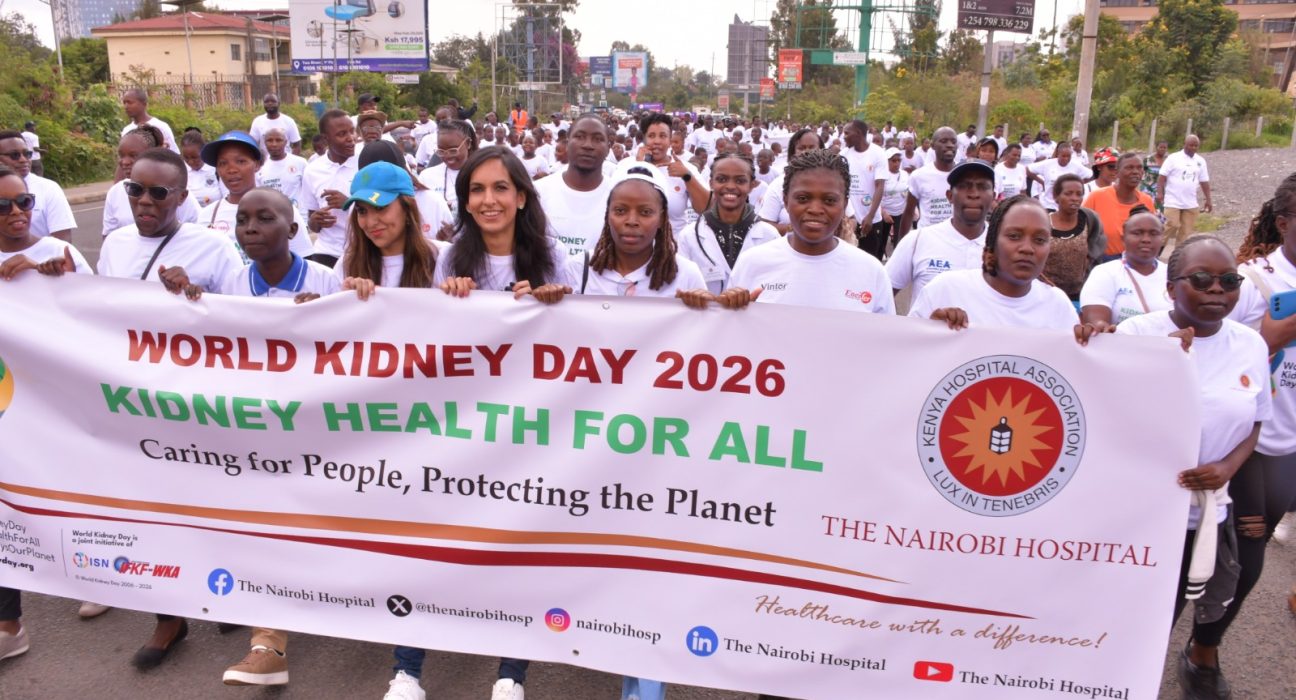
The Nairobi Hospital transformed part of its grounds into a free health screening hub on Thursday, taking a direct hit against the “silent epidemic” of kidney disease in commemoration of World Kidney Day 2026.
Under the global theme, “Kidney Health for All Caring for People, Protecting the Planet,” the hospital launched a robust community engagement event aimed at dragging chronic kidney disease out of the shadows and into the spotlight of public consciousness.
With global health experts estimating that 850 million people worldwide live with the condition, and with Kenya seeing a worrying rise linked to diabetes and hypertension, the hospital moved to turn awareness into action.
Dr. Peris Koge, the hospital’s Lead Nephrologist, warned that too many Kenyans only discover they have a problem when it is almost too late. “We call kidney disease a silent condition because it steals health without making a noise. Many patients don’t feel symptoms until the damage is significant,” Dr. Koge explained.
“Through initiatives like these, we are urging people to stop waiting for symptoms. We want them to prioritize regular health checks and adopt healthier lifestyles. Early screening saves lives.”
The hospital backed those words with tangible action as part of its Corporate Social Responsibility (CSR) initiative. Medical staff offered the community a comprehensive suite of free health checks, including kidney function screening, urinalysis, blood sugar tests, and blood pressure and BMI measurements.
For many attendees, the event offered a crucial, no-cost window into their internal health. Participants lined up not only for the tests but also to receive educational materials on practical steps to protect their kidneys: maintaining a balanced diet, staying hydrated, and managing blood pressure.

Community members expressed gratitude for the initiative, noting that free access to expert advice helps bridge the gap between complex medical conditions and everyday awareness.
With this outreach, The Nairobi Hospital demonstrated its commitment to moving beyond treatment and into proactive prevention, pushing the message that protecting the planet starts with protecting the health of the people on it.