


By Eddah Waithaka
Industry leaders, policymakers, and technology experts on Thursday demanded accelerated investment in All-Optical Networks (AON), positioning fibre infrastructure as the critical backbone for Africa’s artificial intelligence-driven future and next-generation digital economy.
At the All-Optical Summit 2026, held during the Connected Africa Summit 2026 under the theme “Future Proof Fibre Connectivity for the AI Era,” stakeholders emphasized a clear message: the success of AI, 5G, cloud computing, and future 6G technologies depends entirely on high-capacity, low-latency, and ultra-resilient connectivity.
All-Optical Networks enable end-to-end fibre transmission where data travels as light with minimal electronic conversion. These networks are emerging as the most efficient and scalable architecture to support growing digital demands.
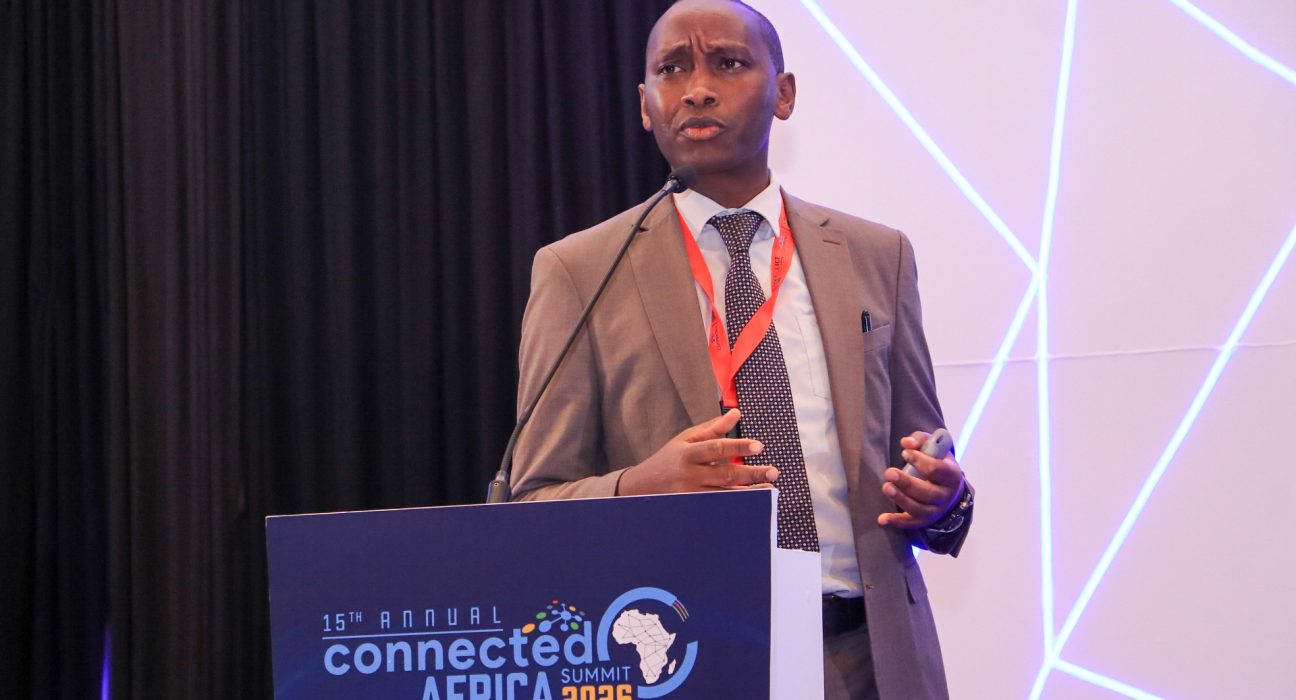
“AI is only as powerful as the infrastructure that carries it,” said the Secretary General of the African Telecommunications Union, opening the session. “The sophisticated algorithms and massive datasets that drive AI require high capacity, low latency, and ultra-resilient connectivity. In this AI era, fibre optic infrastructure is not a luxury but the essential nervous system of a modern digital economy.”
Dr. Fiona Asonga, CEO of the Technology Service Providers Association of Kenya, underscored the need for industry coordination. “To connect underserved and unserved areas, we must strengthen collaboration among service providers and enhance industry standards to ensure higher quality fibre deployment while reducing rollout costs,” she said.
Global perspectives reinforced the urgency. Marcus Brunner, Chair of Working Group 1 at the World Broadband Association, observed, “AI-driven demand is accelerating the need for higher network speeds across residential and enterprise segments. High-capacity networks are essential to interconnect data centres and mobile base stations, where strict latency and reliability requirements must be met. The rise of AI-native applications such as AI agents will further drive significant bandwidth growth.”
On global standards and future readiness, Mohamed Benziane, Vice Chair of Study Group 15 at the International Telecommunication Union-Telecommunication Standardisation Sector and Chair of its Africa Regional Group, highlighted, “The International Optical Networks 2030 framework sets a clear vision for how optical networks must evolve to support future demands from AI, data centres, broadband, and 6G. It also reflects the growing convergence between AI and optical networking as a driver of digital transformation.”
Dr. Crane Yang introduced wireless innovation’s role in complementing fibre infrastructure. “Improving WLAN performance across security, latency, coverage, and bandwidth is essential to delivering better user experiences while enabling service providers to optimize costs and unlock new revenue streams,” he explained.
Operator perspective came from Safaricom, which outlined how shifting usage patterns are reshaping network priorities, particularly as Kenya transitions into a content creation economy. The operator highlighted ongoing investments in backbone and metro optical networks to support 5G growth, home broadband demand, and increased data centre interconnectivity.
Safaricom stressed the need to strengthen network reliability as Kenya solidifies its role as a regional connectivity hub.Mr. Yuan Yongqiang, Global Vice President of Huawei’s Optical Business Product Line, detailed how all-optical technologies enable scalable connectivity across multiple use cases.
“All-optical networks are enabling us to deliver fibre to every home, guaranteed Wi-Fi to every room, premium connectivity to every enterprise, highly reliable industrial networks, and efficient computing power through data centre-centric architectures,” he stated.
Thomas Bwaley, Director of Programmes and Standards at the ICT Authority of Kenya, provided an update on Kenya’s Digital Superhighway initiative. He highlighted opportunities for public-private partnerships, co-investment models, and expanded fibre deployment to public institutions.
Elvis Chirchir, Technical Manager at Vilcom Networks, shared industry implementation insights. “Our collaboration on end-to-end optical networks across core, aggregation, and access layers, combined with strong technical capacity building, has enabled rapid expansion in both FTTH and enterprise networking,” he noted.
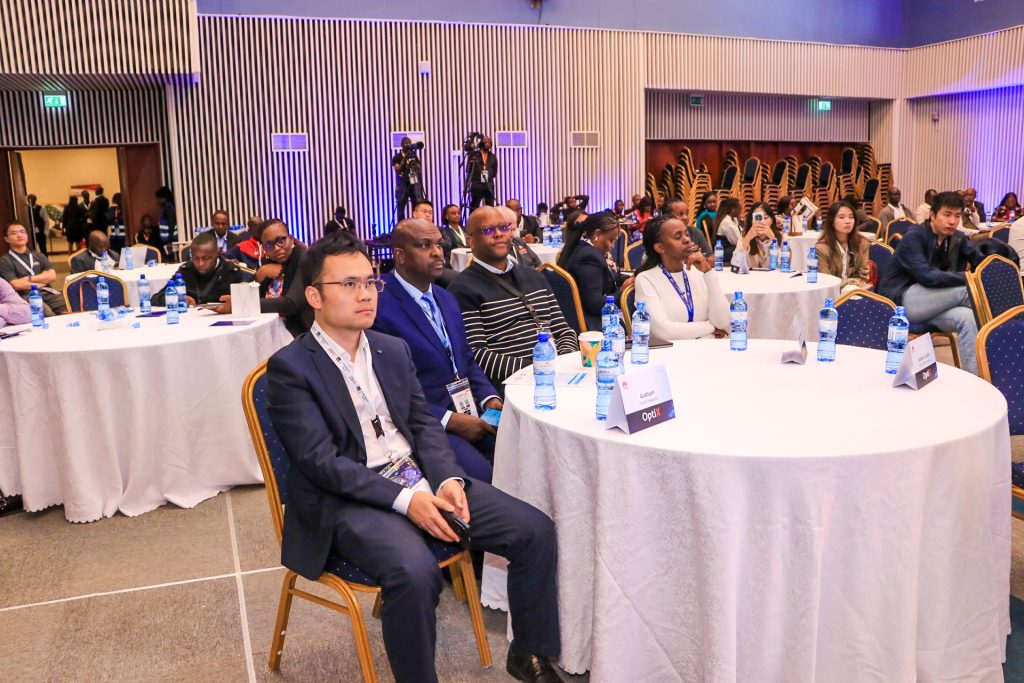
The summit brought together more than 100 leaders from international organizations, government agencies, telecom operators, internet service providers, and enterprises.
Stakeholders emphasized that all-optical networks will play a central role in advancing national digital agendas such as Kenya’s Digital Superhighway by enabling scalable, reliable infrastructure that expands access, bridges the digital divide, and unlocks new economic opportunities.
They called for stronger ecosystem-wide collaboration, focusing on harmonizing standards, reducing deployment costs, encouraging co-investment, and strengthening technical capabilities.
As Africa continues its digital growth trajectory, stakeholders agreed that sustained investment in all-optical networks remains essential to ensuring the continent competes effectively in the global digital economy while unlocking AI’s full potential for inclusive and sustainable development.