

By Kevin Sewe
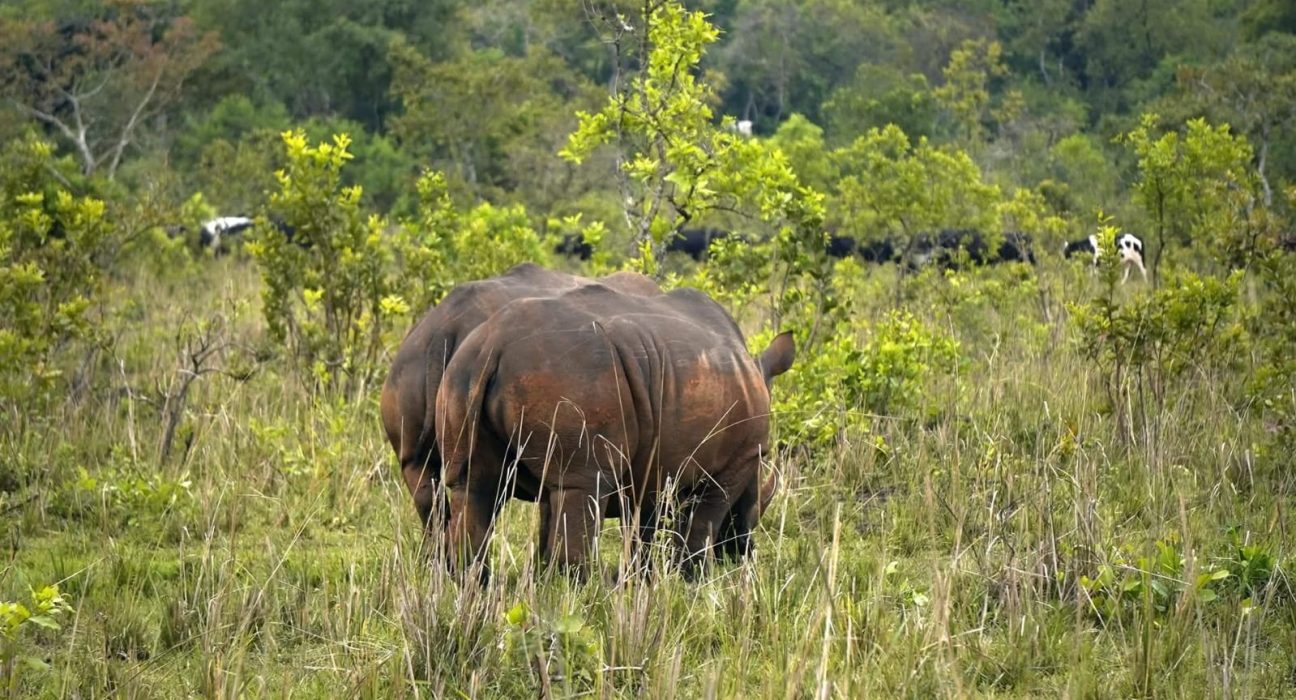
At Sera Rhino Sanctuary, the silence is deliberate. It is the kind of silence that comes from vigilance, not absence. Scouts move through the landscape quietly. Monitoring is constant. Every track, every movement, every signal matters.Because here, every animal counts.
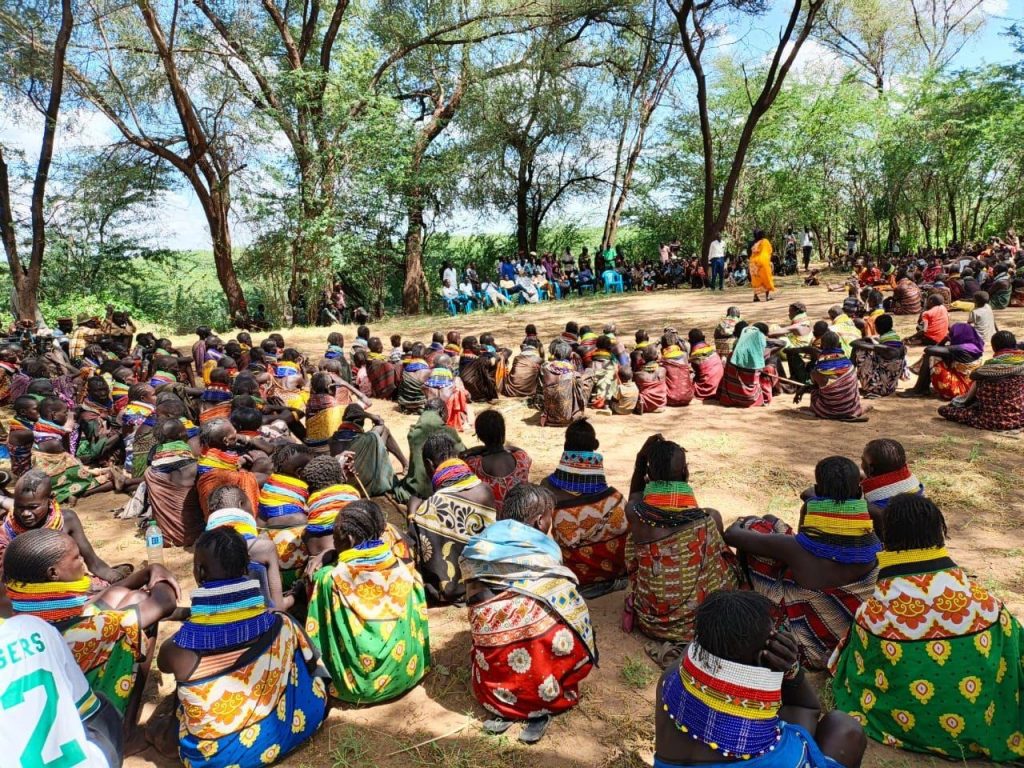
The sanctuary, established within a community conservancy and supported by the Northern Rangelands Trust (NRT), represents one of the most significant shifts in conservation in East Africa: the transfer of responsibility from state-led protection to community-led stewardship.It is a model that has delivered results.
Since its establishment, Sera has recorded steady population growth among black rhinos—one of the most critically endangered species globally. Growth rates have reached around 16% annually, the highest recorded in Kenya.But the numbers only tell part of the story.
The real shift is who is protecting them.“Before, conservation felt like something external,” says a community ranger. “Now, it is ours. These animals are part of our land, and we are responsible for them.”
That responsibility comes with risk.Rhinos are high-value targets for poaching networks. Protecting them requires constant surveillance, coordination, and trust—between scouts, communities, and institutions.
NRT’s role has been to support that system: training scouts, providing technology, coordinating with national agencies, and ensuring that conservation is integrated with community priorities.
The integration matters.Because conservation, on its own, is rarely enough.Communities must see value, not just ecological, but economic and social. Tourism, employment, and infrastructure investments linked to conservancies provide that connection.
Across the broader NRT network, community conservancies now host roughly 65% of Kenya’s wildlife—placing them at the centre of the country’s conservation strategy.Yet the challenges remain constant.
Human–wildlife conflict persists. Land pressure is increasing. Climate change is altering habitats in ways that are difficult to predict.Against this backdrop, the success of places like Sera is not guaranteed.It is maintained.Through systems. Through people. Through institutions that stay engaged long after the initial intervention.
Standing in the sanctuary, the silence begins to make sense.It is not emptiness.It is protection. And behind it is a system—built over time, supported by Northern Rangelands Trust, and carried forward by communities—that ensures that what was once close to disappearing is given a chance to recover.