

By Eddah Waithaka
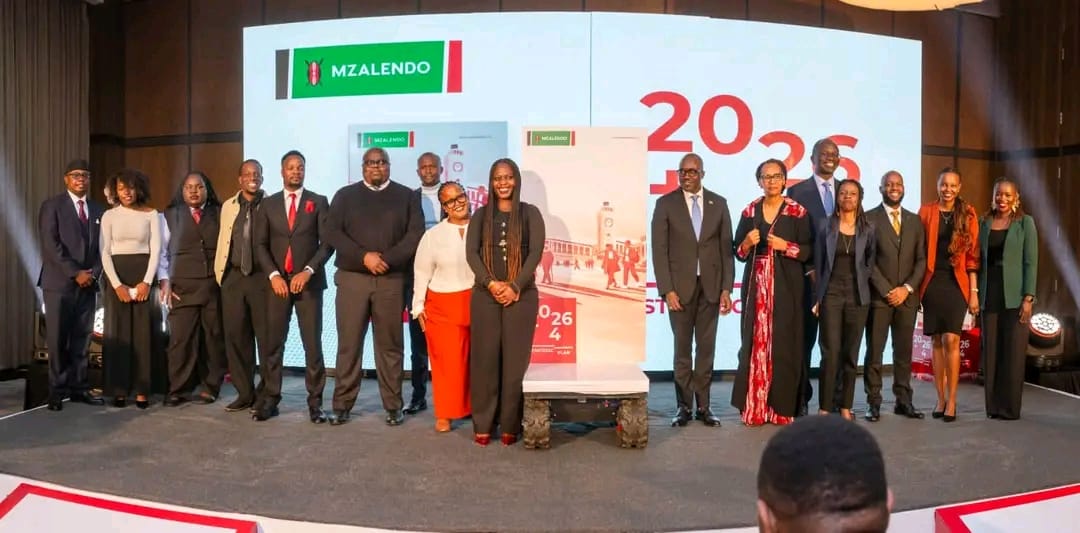
Mzalendo Trust has launched a five-year strategic plan aimed at making parliaments across the continent more open, inclusive and accountable, anchored in the conviction that democracy must be accountable between elections as well as at the ballot box.
The 2026–2030 plan seeks to enable a citizen in any county to find out what Parliament is considering, understand how decisions may affect them, contribute views where opportunities exist and follow the actions of their elected representatives.
The renewed direction comes at a crucial time in Kenya, which faces growing public expectations for accountable institutions and responsible management of public resources. Despite a progressive Constitution that guarantees public participation, transparency and accountability, Kenyans continue to demand greater openness in governance and more responsive institutions.
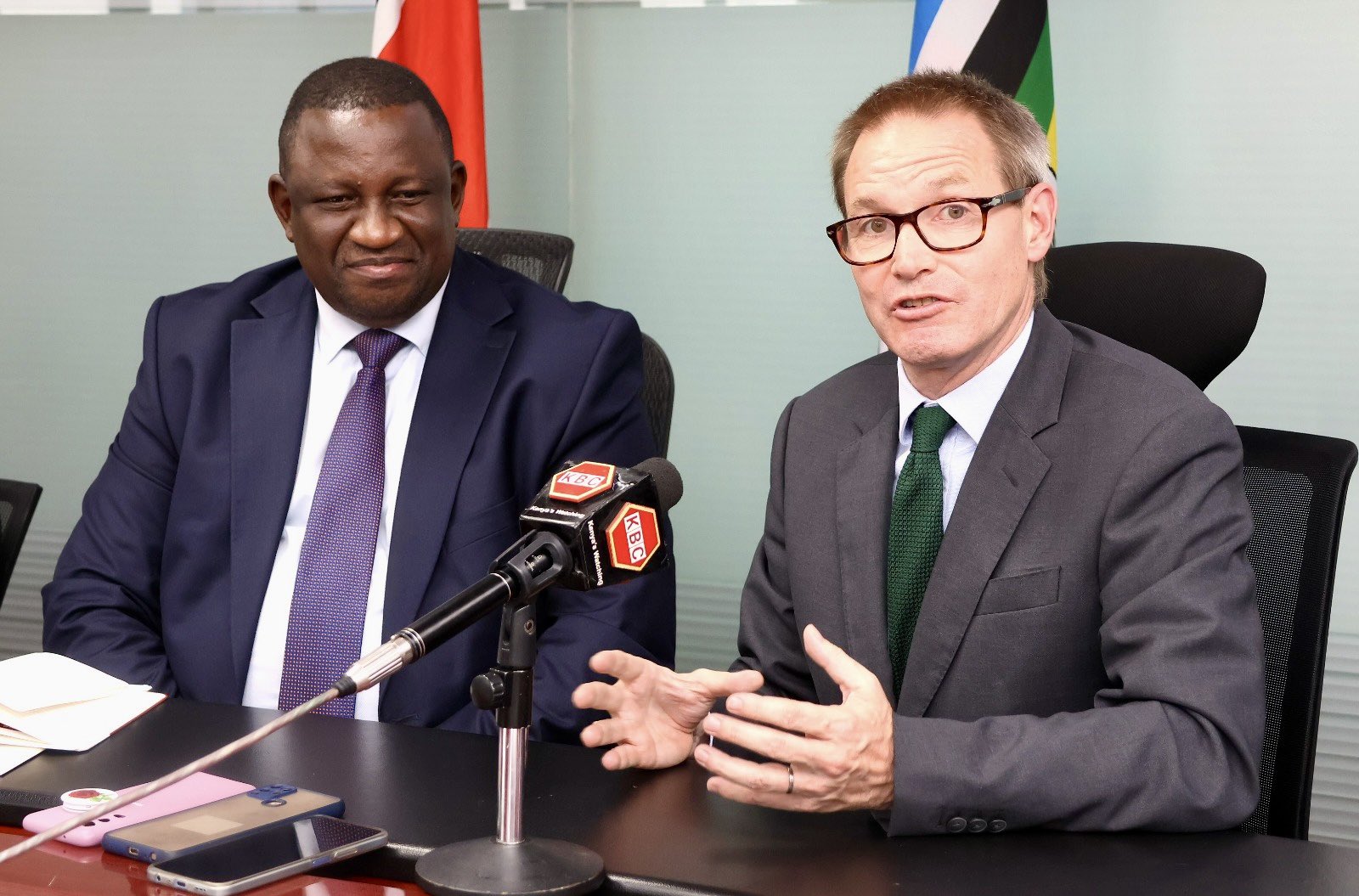
“Parliamentary openness is an essential part of open government where citizens need to understand not only what the government is doing but also how laws are developed, how public resources are utilised and how elected representatives exercise their constitutional responsibilities,” said Dr. Korir Sing’oei, Principal Secretary at the State Department for Foreign Affairs.
Dr. Sing’oei stressed the importance of partnership in delivering open governance and urged government institutions to remain accountable for their decisions and constitutional responsibilities. He said Parliament must exercise its legislative and oversight functions, and that civil society must retain its independence to monitor, question and contribute.
Fiscal Pressure Underscores Oversight Need
The launch comes as the Parliamentary Budget Office’s November 2026 Budget Options paper reports that public debt reached KSh 13.1 trillion at the end of June 2026, while interest payments in the 2025/26 financial year amounted to KSh 1.074 trillion. Revenue also fell KSh 60.2 billion below target.
Mzalendo Trust says these figures underline the importance of transparent public decisions, effective legislative oversight and an informed citizenry that can critically analyse how fiscal choices affect households, businesses and public services.
Three Pillars
The plan organises its work around three strategic pillars.
The first — Promotion and Monitoring of Legislative Openness — seeks to strengthen the credibility, accessibility and use of legislative information through independent parliamentary monitoring, research, responsible digital innovation and institutional collaboration.
The second — Promoting Inclusive Parliaments and Political Processes addresses barriers to meaningful participation and representation, particularly for women, young people, persons with disabilities and historically marginalised communities.
The third — Promoting Civic Engagement, Scrutiny and Accountability of Parliament will support informed and sustained public engagement, citizen oversight, scrutiny of parliamentary decisions and follow-through on public commitments.
“When Mzalendo Trust began in 2005, the conviction was simple: citizens can only hold their representatives accountable when they can see and understand what those representatives do,” said Ory Okolloh, Chair and Co-Founder of Mzalendo Trust. “Twenty years on, our responsibility now is to build on this trust and ensure that the information and knowledge we produce leads to stronger participation, more inclusive representation and demonstrable accountability.”
Six institutional enablers support the three pillars: governance and independence; human capital and knowledge management; financial resilience and sustainability; strategic partnerships; digital infrastructure and information integrity; and monitoring, evaluation, research and learning.
Grounded in the Constitution
Mzalendo Trust grounds its work in the Constitution of Kenya particularly Article 1, which vests sovereign power in the people; Article 10, which outlines national values including public participation, inclusiveness, transparency and accountability; and Article 118, which requires Parliament to conduct its business openly and facilitate public participation.
The organisation says its role is to provide independent monitoring, research, civic technology and engagement that help citizens understand parliamentary work and scrutinise public representation not to exercise Parliament’s constitutional responsibilities.
“Today, the Constitution obligates Parliament to work in the open and to let people in. The legal architecture of participation is built, but we know this has not been sufficient,” said Caroline Gaita, Executive Director of Mzalendo Trust. “We will continue to monitor Parliament and produce credible legislative information and intelligence, but we will place greater emphasis on whether that information is used, whether participation is meaningful, and whether our work contributes to more open, inclusive and accountable legislatures.”
Right to Information
Dorothy Jemator, Vice-Chairperson and Commissioner of the Commission on Administrative Justice, called for practical measures to help Kenyans exercise their right to information.
“We must go beyond assessing access to public information and take practical steps to ensure that Kenyans can access and use it. This includes advocating for the timely publication of Bills, committee notices, reports and other parliamentary records, while strengthening public awareness of the right to information and how to exercise it,” she said. “We must also ensure that people facing barriers related to disability, language and geographical location are not left behind.”
Strategic Foresight to 2036
Mzalendo Trust has also developed a Strategic Foresight Framework for 2026–2036 alongside the five-year plan. The framework considers four possible democratic futures for Kenya: Mambo ni Yale Yale (business as usual); Mambo ni Mwecheche (collapse); Tumejipanga (restraint, repair and intentional building); and Form ni Mpya (total disruption).
“These scenarios are not predictions. Rather, they are planning tools intended to help us test assumptions, anticipate risks and remain useful under different political, social, economic and technological conditions,” Gaita explained, adding that the plan also responds to challenges identified in the review of Mzalendo’s previous 2021–2025 strategic period, including the need to demonstrate longer-term outcomes more systematically.
Mzalendo Trust says it intends to deepen partnerships with Parliament, civil society, academia, media, civic technology actors and grassroots and regional governance networks to build a democratic culture in which public institutions answer to the people they serve.