

By Eddah Waithaka
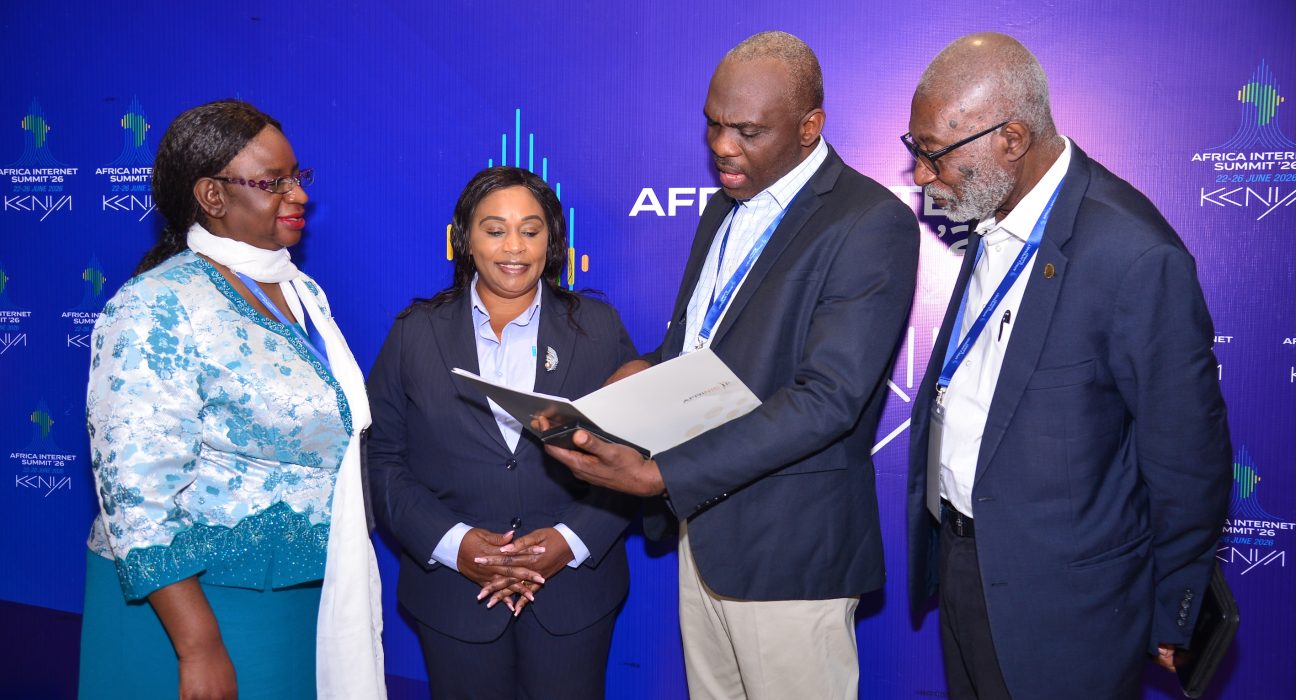
The Africa Internet Summit 2026 (AIS’26) officially opened today in Nairobi, drawing hundreds of government representatives, regulators, industry leaders, technical experts, civil society organizations, and academia to the continent’s premier multistakeholder Internet and ICT event.
Kenya hosts the summit for the first time, becoming the fourth country to welcome the annual gathering after South Africa (2023), Mauritius (2024), and Ghana (2025). The week-long event provides a critical platform for dialogue, collaboration, and knowledge sharing on the future of Africa’s digital ecosystem.
Kenya’s Digital Vision Takes Center Stage
Mary Kerema, OGW, Secretary for ICT, Digital Economy and Emerging Technologies, struck an optimistic tone during the opening ceremony, emphasizing that digital infrastructure stands as a cornerstone of Africa’s development.
“The Internet is a critical enabler of economic growth, innovation, education, and public service delivery,” Kerema told delegates. “AIS 2026 is an opportunity for Africa to strengthen its digital infrastructure and ensure that every citizen can participate meaningfully in the digital economy.”
Kerema reaffirmed Kenya’s commitment to fostering collaboration, innovation, and policies that support a secure, inclusive, and resilient digital ecosystem across the continent.
AfNOG Convener Highlights Resilience Amid Challenges
Prof. Nii Quaynor, Convener of the African Network Operators Group (AfNOG), reflected on the Summit’s enduring legacy since its establishment in 2012, praising the resilience of Africa’s Internet community through periods of global and regional challenge.
“The summit has remained a vital platform for Africa’s technical cooperation, policy dialogue, and Internet development,” Quaynor said.
The Internet pioneer also commended the collective efforts that contributed to the restoration of AFRINIC, Africa’s Regional Internet Registry. “Now that AFRINIC has been restored, we must work together to ensure it remains stable, credible, and firmly guided by the community it serves,” he urged.
AFRINIC Charts Renewed Path Forward
Prof. Emmanuel Adewale Adedokun, Chairman of the Board of Directors of AFRINIC, reaffirmed the organization’s commitment to stability, transparency, and community-led governance as it enters a new phase of renewal.
“AFRINIC is moving forward with renewed purpose,” Adedokun stated. “Our focus is on restoring stability, strengthening trust, and reinforcing the community-driven processes that underpin Africa’s Internet development.”
He called for active community participation in AFRINIC’s policy development and governance processes, noting that collaboration, consensus, and shared commitment will continue shaping Africa’s Internet future.
Kenya’s Role as Regional Digital Hub
James Turuthi, Chairman of the Telecommunications Service Providers Association of Kenya (TESPOK), welcomed delegates by highlighting Kenya’s position as a regional leader in Internet development and digital innovation.
“Through Kenya Internet Exchange Point (KIXP), capacity-building initiatives, and strong industry-government collaboration, Kenya continues to strengthen the Internet ecosystem and expand access to affordable, reliable connectivity across the region,” Turuthi said.
He acknowledged that while Africa has made significant progress in expanding Internet access, challenges relating to affordability, digital skills, cybersecurity, and infrastructure development persist. Turuthi emphasized that forums such as AIS remain essential for fostering collaboration, knowledge sharing, and collective action.
Also Read : https://africawatchnews.co.ke/tecno-advances-practical-agentic-ai-with-expanded-ellaclaw-capabilities/
Continental Cooperation Essential for Digital Future
David Mugonyi, EBS, Director General of the Communications Authority of Kenya, called for stronger continental cooperation to address Africa’s digital challenges and opportunities.
“Africa’s Internet future demands strong collaboration among governments, regulators, industry, academia, and civil society,” Mugonyi told delegates. “When we work together, innovation and resilience follow.”
He noted that continued collaboration will prove essential to address gaps in access, cybersecurity, skills development, and digital infrastructure across the continent.
A Week of Action and Dialogue
This year’s Summit unfolds against a backdrop of rapid technological transformation, increasing geopolitical competition, and growing demand for secure and resilient digital infrastructure. Participants will explore how Africa can strengthen its digital sovereignty, expand connectivity, foster innovation, and build inclusive digital economies that benefit all communities.
Throughout the week, AIS’26 will feature technical workshops, policy discussions, operational forums, training sessions, networking opportunities, and AFRINIC’s Public Policy Meeting – all designed to advance Internet development across Africa.
As Africa’s Internet community gathers in Nairobi, the Summit reaffirms a shared commitment to strengthening the continent’s Internet infrastructure, improving digital resilience, advancing inclusive connectivity, and ensuring that Africa plays a leading role in shaping the future of the global Internet.