

By Eddah Waithaka
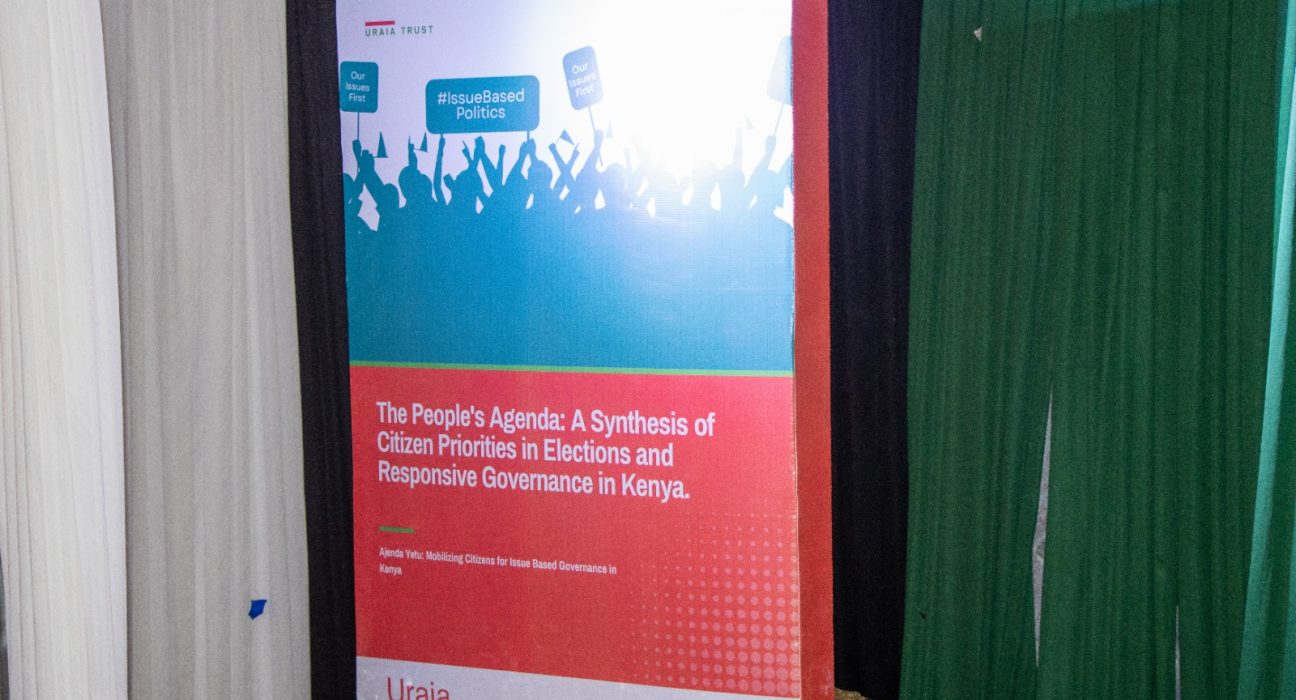
Uraia Trust today launched “The People’s Agenda: A Synthesis of Citizen Priorities in Elections and Responsive Governance in Kenya,” a landmark report that demands politicians abandon ethnic arithmetic and address the real needs of ordinary Kenyans ahead of the August 2027 General Election.
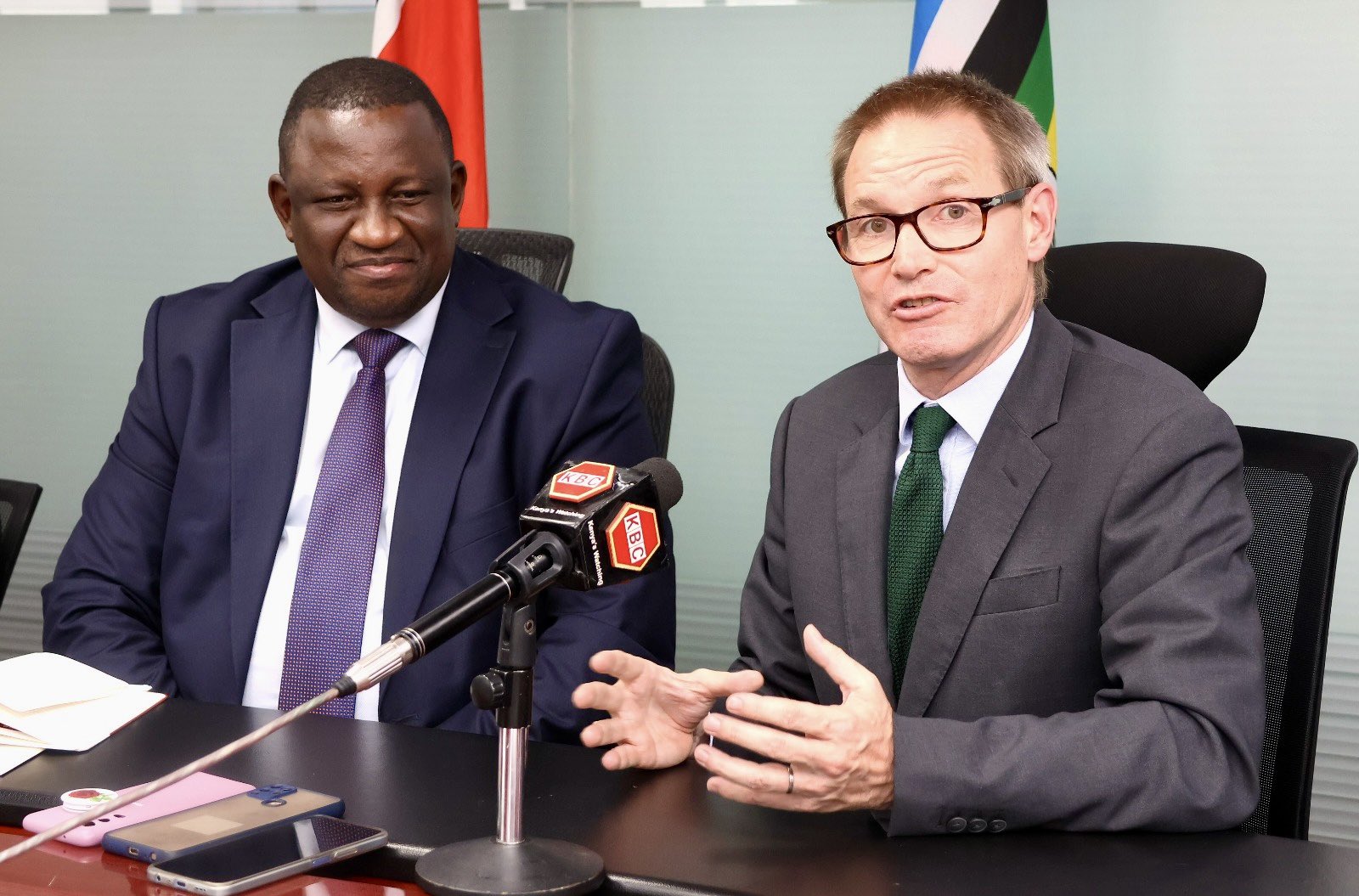
Speaking at the launch, Uraia Trust Executive Director Oliver Waindi declared that the project dubbed Ajenda Yetu places the aspirations of 55 million Kenyans above the political noise dominating the country.
“The real agenda of the 55 million Kenyans has disappeared in the confusion,” Waindi said. “This Kenya belongs to the 55 million Kenyans, and their desires, their needs, their aspirations are much superior according to the constitution than the noise that we are getting around.”
The report synthesizes 12 to 13 months of citizen engagements across ten counties: Nairobi, Murang’a, Tharaka-Nithi, Mombasa, Baringo, Kisumu, Nakuru, Kisii, Isiolo, and Siaya. It brings together county citizen manifestos alongside women’s and youth agendas developed by other stakeholders.
The data reveals a stark disconnect between what citizens prioritize and what political leaders debate. Kenyans across the country want jobs, clean water, food security, quality healthcare, and meaningful participation in decision-making not political balkanization.
“These are the things we want our leaders to really talk about,” Waindi said, contrasting the proposed KSh 23 billion for State House repairs with IPOA’s modest KSh 170 million oversight budget. “We want them to address the insecurity that is really rampant around, which we think they’ve really caused in terms of arming goons everywhere to terrorize people.”
The report identifies public debt (standing at KSh 13.47 trillion, or 72.3% of GDP as of August 2026), corruption, and youth unemployment as the top national priorities.
County-Specific Concerns Emerge
Each county presents its own unique agenda. Baringo residents raise concerns about single-community dominance in engagements and rising lake levels. Tharaka-Nithi citizens prioritize title deeds and irrigation. Isiolo pastoralists struggle with water scarcity and unsafe high-fluoride boreholes. Kisii residents demand household water within one kilometer and fair bursaries. Mombasa communities focus on sanitation, housing, and the Blue Economy, while Nairobi residents emphasize informal settlements, drainage, and gang prevention.
Women and Youth Bear the Brunt
The report exposes alarming disparities. One in five young Kenyans (20.2%) is not in employment, education, or training with young women at 26.1% compared to 14.3% for young men. Women face sexual and gender-based violence, sexual extortion when seeking services, and closed party nominations.
Despite constitutional mandates requiring continuous voter education, funding remains critically low. The IEBC requested KSh 6.5 billion for the 2027 cycle but received only KSh 1.9 billion less than a third. At the county level, civic education runs unevenly and often only during election periods.
Uraia Trust and its partners call on the National Treasury and Parliament to restore voter education funding, the IEBC and ORPP to fast-track accreditation of providers, and county governments to finalize the National Civic Education Framework. They urge political parties to build manifestos on citizen priorities and reject ethnic mobilization.
“Let them listen to the agenda of the people from the ground,” Waindi said. “That is when there will be less friction, less tension in the country, and a proper ecosystem as we approach the elections for next year.”
The report was developed under Uraia Trust’s Ajenda Yetu programme with support from KISP (FCDO and the British High Commission) and technical guidance from ELGIA.
An informed, empowered, and engaged citizenry voting on issues is Kenya’s strongest safeguard for a credible, peaceful, and issue-based 2027 General Election.