

By Eddah Waithaka
High-level dialogue calls for greater investment in trusted community voices to prevent violence before it occurs
Female faith leaders must receive intentional recognition and support as influential voices in preventing gender-based violence, supporting survivors and challenging harmful social norms, a high-level forum in Nairobi has declared.
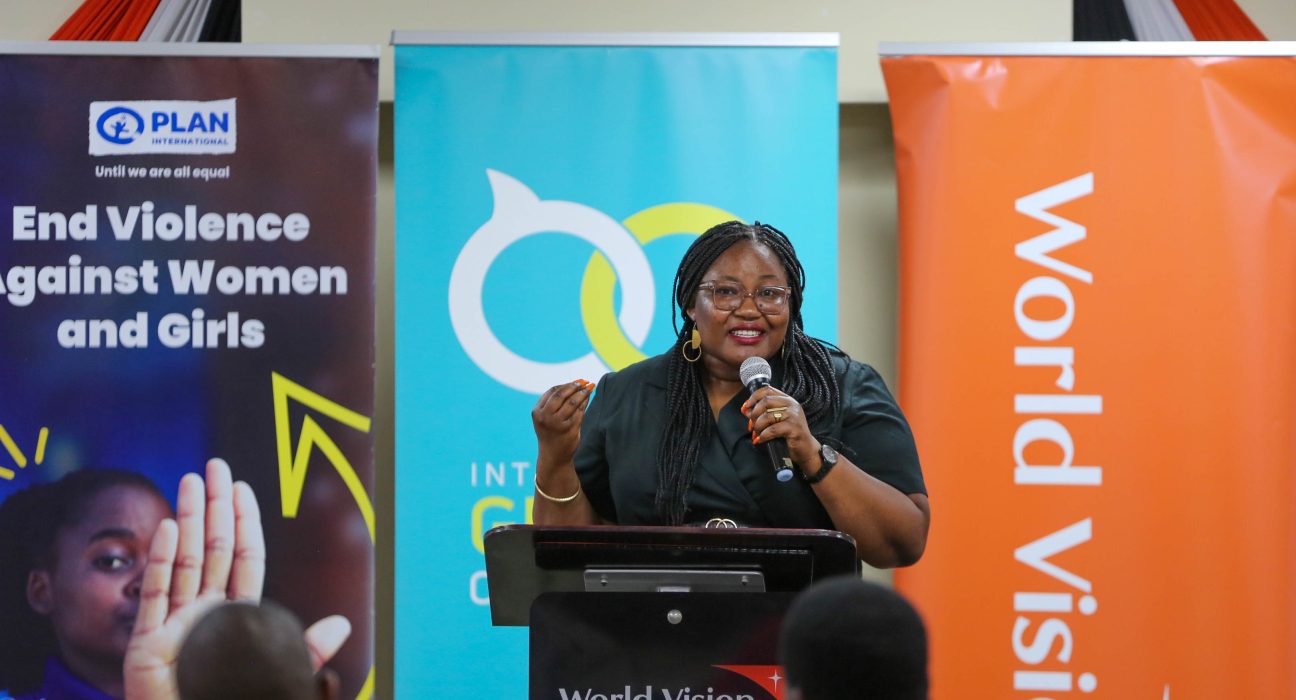
The International Gender Champions (IGC) Nairobi Hub, in collaboration with World Vision East Africa Regional Office and Plan International, convened the dialogue on “Elevating Female Faith Leaders’ Voices in Ending Gender-Based Violence” as violence against women and girls remains a major concern across the continent.
Globally, nearly one in three women – an estimated 840 million – have experienced physical or sexual violence in their lifetime, according to the World Health Organization. In Sub-Saharan Africa, approximately 34 per cent of girls face child marriage, while more than 144 million women and girls have undergone female genital mutilation.
The scale of the challenge demands greater investment in trusted community voices that can prevent violence before it occurs, participants stressed.
“Every time a woman finds the courage to speak, it is because someone believed in her and was willing to sit down and listen,” said Lilian Dodzo, Regional Leader and Vice President of World Vision International, East Africa Region.
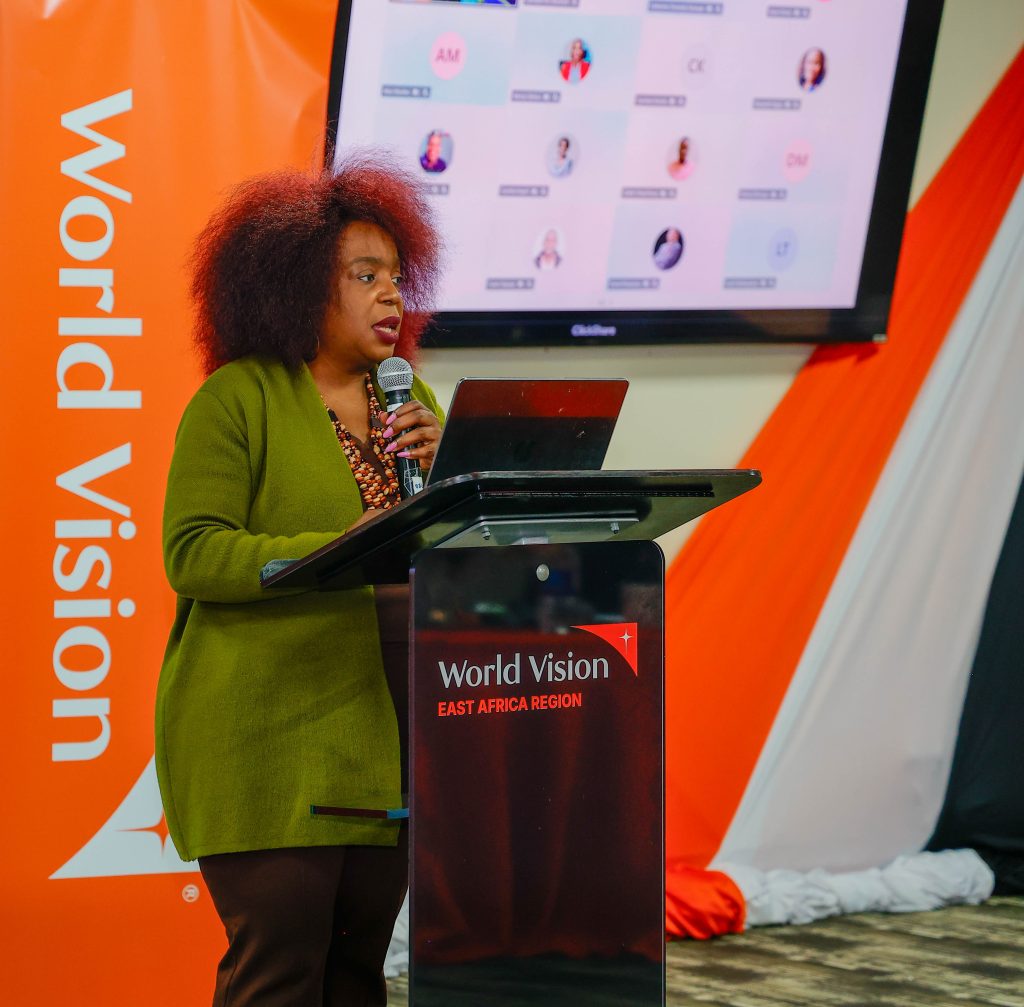
“Every time a girl stays in school instead of becoming a child bride, every time a survivor finds healing instead of shame, and every time a family chooses respect over violence, we change more than one life. We change the trajectory of generations,” Dodzo added.
She called on governments, faith communities, civil society, development partners, the private sector, women, girls, boys and men to speak up and challenge harmful norms.
Unique Position, Limited Voice
Female faith leaders occupy a uniquely powerful position to influence attitudes and behaviours within families and communities, participants noted. As pastors, counsellors, teachers, mentors and caregivers, they work directly with women, children and families affected by or at risk of violence.
Yet their voices remain underrepresented in policy and decision-making spaces.
The dialogue called for female faith leaders to be recognised not only for pastoral and caregiving roles, but also as policy influencers, decision-makers and strategic partners in preventing GBV and advancing gender equality.
According to the Africa Gender Index 2023, Africa has achieved only 50.3 per cent of the progress needed to reach gender equality. Women’s economic parity declined from 61 per cent in 2019 to 58.2 per cent in 2023, highlighting the continent’s widening gender equality gap.
“These figures show that we still have a long way to go,” said Rev. Dr. Linda Ochola, Senior Coordinator for Church Partnerships at International Justice Mission (IJM) Kenya.
“We need to do more to ensure women have a stronger voice in shaping the decisions that affect their lives and communities. Female faith leaders especially have an important role to play, and we must create more opportunities for them to lead, speak up and be heard,” Ochola added.
She stressed the need to separate matters requiring arbitration from GBV issues, which are criminal in nature and require appropriate justice.
Reimagining Faith Institutions as Safe Spaces
Participants called for faith institutions to become safer spaces for survivors by establishing confidential mechanisms for reporting abuse and accessing appropriate support. They emphasised the importance of ensuring that survivor experiences and voices inform how faith communities shape GBV prevention and response efforts.
Also Read : https://africawatchnews.co.ke/kenyan-companies-earn-30-returns-by-training-their-own-workers/
“We must move beyond simply having a woman’s name on a committee or leadership structure and ensure women have a meaningful voice in decision-making,” said Dr. Sheikh Hasan Kenyomari, Chairman of Muslim Persons of Africa.
“Women should be given opportunities to serve in positions of leadership, including as Kadis and in mosque committees, because they understand and can speak to issues that directly affect women. We cannot continue to make decisions for women without having women at the table,” Kenyomari stated.
Shaping Africa’s Young Majority
The discussion also focused on the role of faith leaders in shaping the attitudes of Africa’s young population. With approximately 60 per cent of Africa’s population under 25, participants said female faith leaders can serve as positive role models for young people and help challenge harmful ideas about gender, relationships and violence.
“The values young people develop today will shape the Africa we live in tomorrow,” said Hajir Maalim, Regional Director for Middle East, Eastern and Southern Africa at Plan International.
“We need to ensure they have positive role models who can help them understand that respect and equality are not optional, and that violence has no place in our families or communities. Female faith leaders can be powerful voices in that conversation, particularly for young people who look to them for guidance,” Maalim added.
World Vision International has worked with faith leaders across East Africa through approaches including Channels of Hope and Becoming One, supporting efforts to challenge harmful social norms, strengthen families, promote positive masculinity, support survivors and build relationships grounded in dignity, respect and mutual accountability.
The dialogue took place ahead of Pan-African Women’s Day on 31 July and comes as the continent strengthens its commitment to ending violence against women and girls through the African Union Convention on Ending Violence Against Women and Girls (AU CEVAWG).